GBPUSD Encounters Critical Weekly Support Amid Economic Headwinds
The GBPUSD pair has been subjected to considerable downward pressure throughout the trading day, navigating through significant technical levels that are now pivotal for its future direction. This decline is largely attributable to a combination of internal and external economic factors, including unfavorable economic indicators from the United Kingdom, a robust US dollar, and escalating fears regarding global economic deceleration amplified by new tariff implementations. These collective forces have propelled the currency pair into a historically significant support region on the weekly chart, triggering a tentative rebound. Yet, the path to recovery is fraught with challenges, as several immediate resistance points loom, casting a bearish shadow over the pair's short-term outlook.
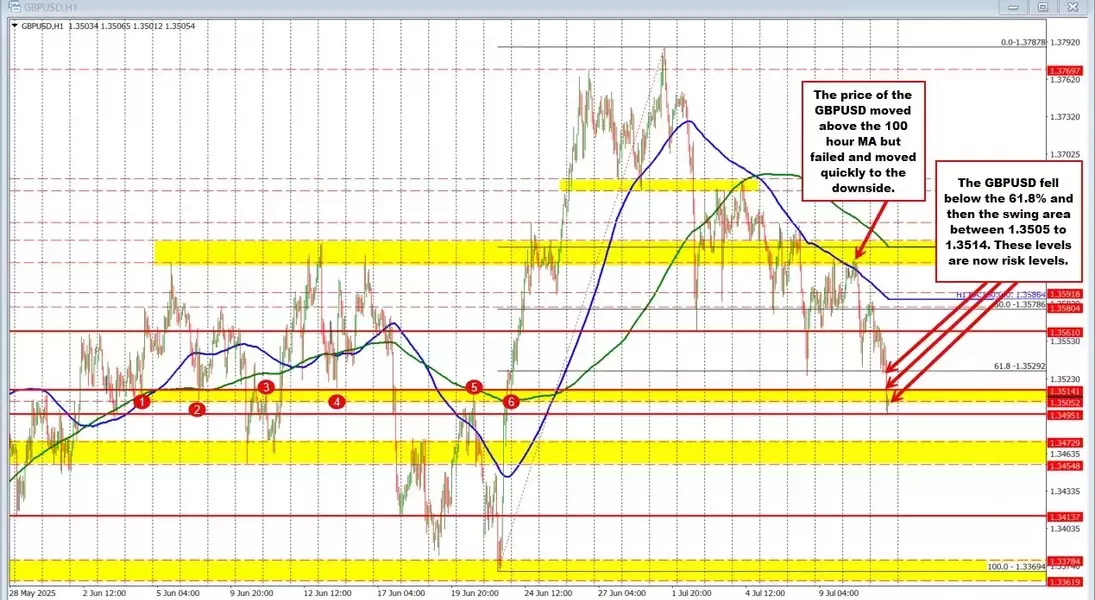
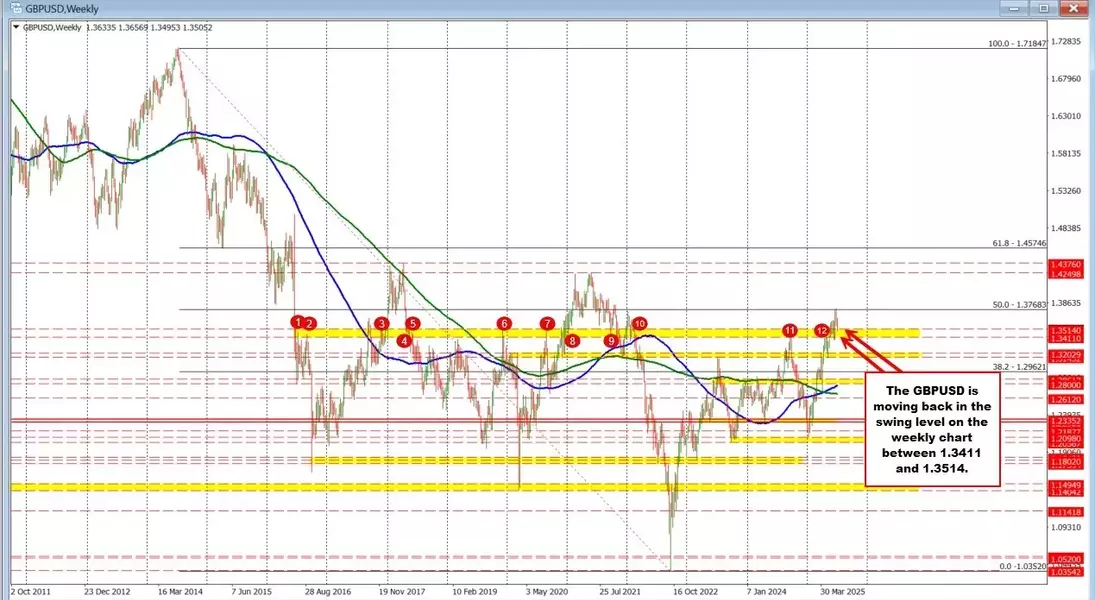
The current market dynamics highlight the intricate interplay between macroeconomic fundamentals and technical chart patterns, with the GBPUSD's response to these influences offering critical insights for traders. The pair's penetration of a long-standing swing area underscores the severity of the selling pressure, setting the stage for a decisive battle between bulls and bears around these pivotal thresholds. The resolution of this struggle will dictate whether the recent downtrend extends or if a more substantial reversal is on the horizon, making the next few sessions crucial for market participants.
Navigating Critical Support Levels
The British Pound's descent against the US Dollar today reflects a challenging economic environment, marked by an influx of disappointing data from the UK and a broader surge in the US dollar's strength. The market's reaction to the inflationary potential of increased US tariffs and the pervasive anxiety about a global economic slowdown have funneled capital into the safer haven of the dollar, consequently dampening the pound's appeal. This downturn has propelled the GBPUSD into a significant support region on the weekly chart, a zone historically instrumental in dictating price reversals.
As the GBPUSD pair touched a low within this established swing area, a modest upward correction was observed, indicating an initial defense by buyers at these long-term support levels. This region, defined by historical price action, has consistently served as a turning point, suggesting its continued importance in influencing price behavior. The current testing of this support area is a critical juncture, as its integrity will heavily influence the sentiment and direction of the pair in the near term. A decisive breach could pave the way for further declines, while a strong bounce could signal a potential short-term reversal or consolidation phase.
Resistance and Retracement Hurdles
On the hourly charts, the GBPUSD's recent downward movement has broken beneath the 61.8% Fibonacci retracement level, a key technical indicator, and moved further away from its 100-hour moving average. This breach signifies a continuation of the bearish momentum, as the currency pair struggled to maintain positions above critical short-term averages. Despite a brief attempt to reclaim ground above the 100-hour moving average previously, the swift and forceful rejection underscored the prevailing selling pressure in the market.
Furthermore, the pair also slipped below another significant swing area, converting what were once support levels into immediate resistance. These newly established resistance points, particularly the 61.8% retracement level, are now under close scrutiny by traders. A sustained move back above these levels would signal a significant shift in market sentiment, potentially frustrating sellers and indicating a near-term bullish tilt. Conversely, failure to overcome these resistances would reinforce the current downtrend, suggesting further downside momentum and cementing the technical significance of these thresholds for future price action.