Japanese Business Confidence Rises in July Amidst Trade Tensions
Japan's economic landscape presents a complex picture, with pockets of resilience amidst broader challenges. While the manufacturing sector shows signs of cautious optimism, the specter of global trade tensions and a subdued domestic economy continues to cast a long shadow. Understanding these nuances is crucial for grasping the overall health and future trajectory of the Japanese economy.
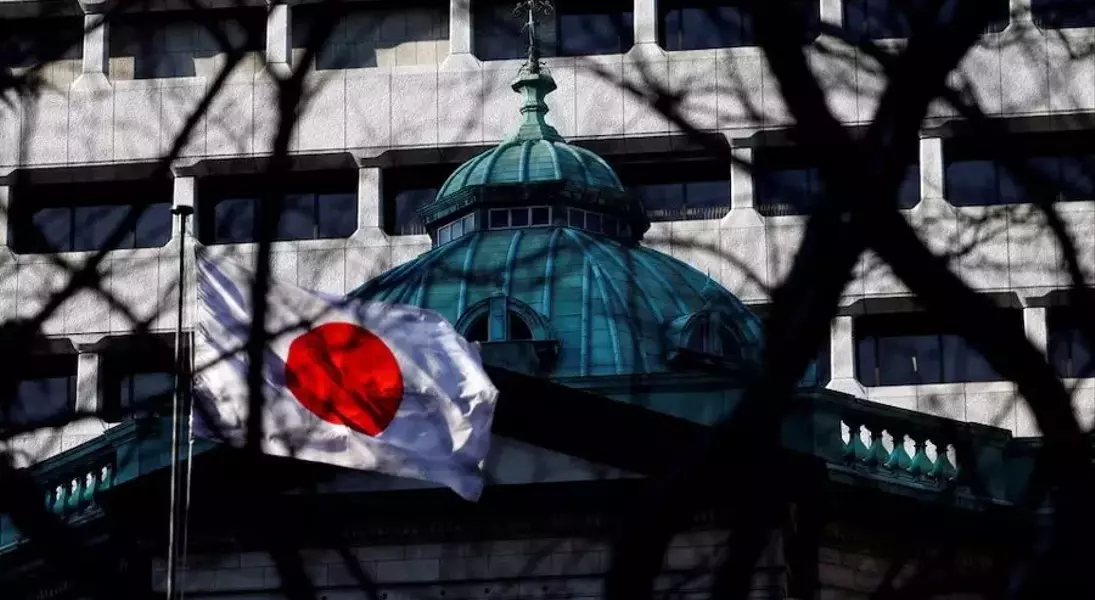
Japanese Business Sentiment Sees Modest Improvement in July Amidst Global Trade Uncertainties
In July 2025, the Reuters Tankan survey revealed a nuanced shift in Japan's business confidence. The index for large manufacturers experienced a modest increase, reaching +7, a slight improvement from +6 in June. This positive movement was primarily bolstered by a gradual recovery in the semiconductor industry, signaling a potential uplift in the electronics and chemicals sectors. In contrast, the service sector's sentiment remained stable at +30 for the third consecutive month, reflecting a consistent, albeit cautious, outlook among non-manufacturing firms. Despite this uptick, the overall economic climate remains precarious, with an underlying concern about the potential impact of global trade disputes.
Looking ahead, manufacturers anticipate a further, albeit small, rise in confidence, projecting an index of +8 by October. However, service providers foresee a minor dip to +27, indicating a less optimistic medium-term view. A significant drag on sentiment was observed within the transport machinery sector, which saw its index sharply decline to +9 from +20. This substantial drop highlights profound anxieties regarding potential 25% U.S. tariffs on automobiles, which could severely impact a cornerstone of Japan's manufacturing prowess. Beyond specific sectors, business leaders across various industries expressed ongoing apprehension concerning the volatile U.S. trade policies and escalating geopolitical tensions, particularly those emanating from the Middle East. These uncertainties are notably curbing appetite for new capital investments, suggesting a reluctance to commit to expansion plans in an unpredictable global environment.
The service sector exhibited a mixed performance. While wholesalers reported improved conditions, retail, IT, and property firms noted softer activity. Interestingly, some supermarkets managed to benefit from successful price adjustments, yet department stores experienced diminished tourism-driven sales compared to the previous year. This diverse performance underscores the varying impacts of current economic conditions on different segments of the service industry. These survey results emerge against a backdrop of challenging economic indicators for Japan, including a contraction in the first quarter and an eight-month low in exports recorded in May, further emphasizing the delicate balance Japan's economy is trying to maintain amidst both internal and external pressures.
From a journalist's perspective, this Reuters Tankan report offers a telling snapshot of Japan's economic resilience and vulnerability. The slight improvement in manufacturing sentiment, driven by specific sectors like semiconductors, provides a glimmer of hope. However, the pervasive anxiety surrounding trade protectionism, particularly U.S. auto tariffs, underscores the interconnectedness of global economies. It reminds us that even with internal strengths, external political decisions can significantly alter a nation's economic trajectory. The mixed performance in the service sector further illustrates the uneven recovery and the need for adaptive strategies within various industries. This scenario prompts a critical reflection: in an increasingly globalized world, economic stability hinges not just on domestic policies, but crucially, on the unpredictable currents of international relations and trade diplomacy.