Japanese Yen Strengthens Amidst Political Uncertainty and BOJ Policy Speculation
Navigating the Storm: Yen's Resilience in an Unpredictable Landscape
Political Shocks and Initial Yen Reaction
Despite market anticipation of a weakened mandate for Japan's governing coalition in the recent elections, the actual extent of the setback has created ripples of uncertainty. The Japanese Yen initially surged at the start of trading, before moderating its gains. However, it has since resumed its upward trend, as traders grapple with the implications of an evolving political landscape. This initial reaction suggests that political instability often triggers a flight to safety, benefiting currencies perceived as secure havens.
The Central Bank's Crucial Role in Shaping Yen's Future
The prevailing sentiment is that while political shifts can cause short-term fluctuations, the fundamental direction of the Japanese Yen will largely be determined by the Bank of Japan's (BOJ) future monetary policy, particularly regarding interest rates. If trade negotiations with the United States prove challenging and divert the central bank's focus, it could delay any potential rate hikes, thereby creating a long-term drag on the currency's strength. Consequently, any significant appreciation of the yen is likely to face constraints.
Unveiling Market Signals Through Technical Analysis
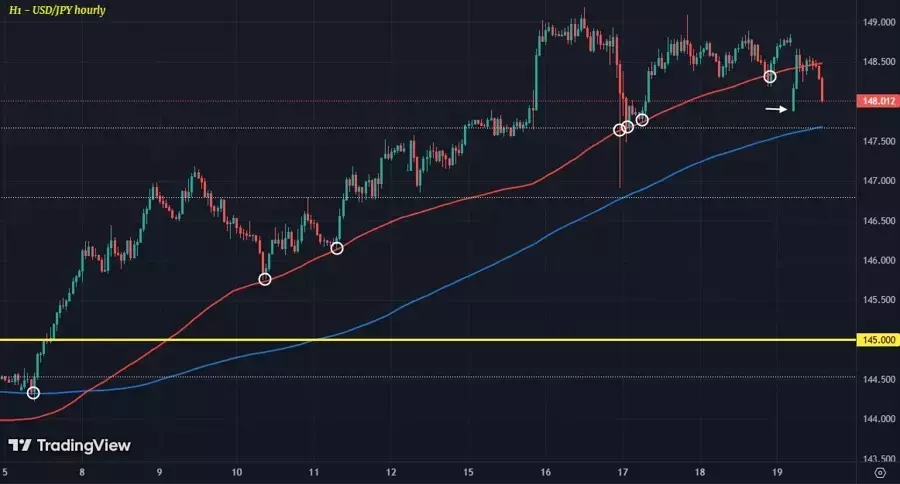
A closer examination of the USD/JPY hourly chart reveals that the recent decline in the pair, though noticeable, is not overly dramatic. A key technical development is the break below the 100-hour moving average, which signals a shift from the bullish sentiment that characterized the pair throughout July. While the 200-hour moving average currently offers robust support, a sustained move below this level could indicate further bearish momentum, potentially pushing the pair towards the 147.00 mark.