Major Global Summit in China to Host Leaders from Over 20 Nations and 10 International Bodies
China is gearing up to host a pivotal international gathering, the 25th Heads-of-State Summit of the Shanghai Cooperation Organization (SCO). This event, slated to take place from late August to early September, represents a crucial moment for global collaboration, drawing together an impressive array of world leaders and organizational representatives.
SCO Summit in Tianjin: A Convergence of Global Leaders for Enhanced Cooperation
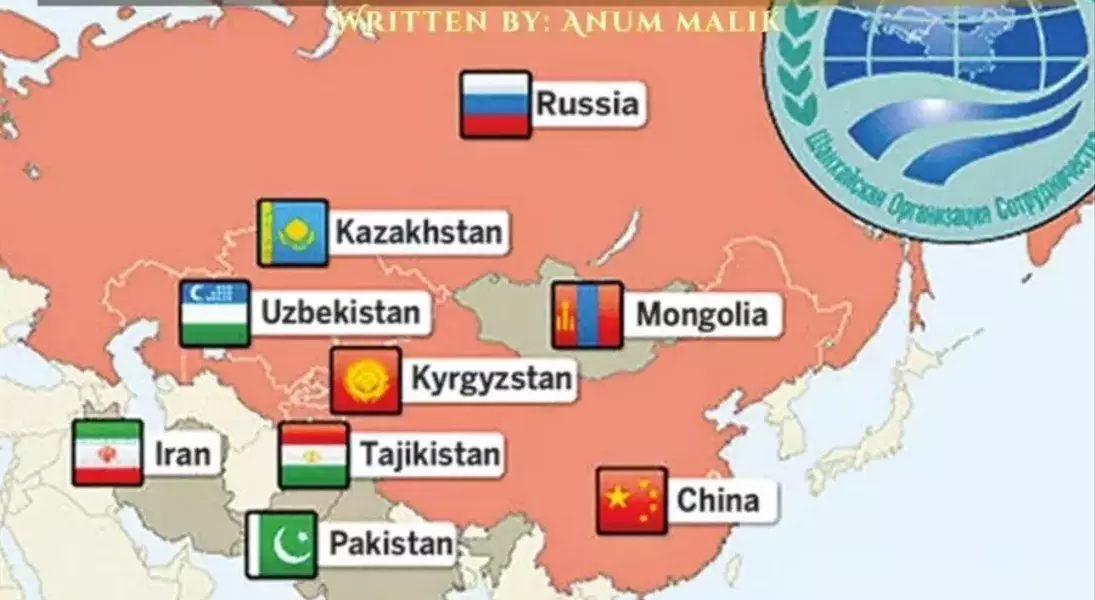
From August 31st to September 1st, 2025, the vibrant city of Tianjin, China, will serve as the esteemed venue for the 25th Shanghai Cooperation Organization (SCO) Heads-of-State Summit. This highly anticipated assembly is a cornerstone of China's ongoing chairmanship for the 2024–2025 term. The gathering is poised to attract an extensive delegation, featuring leaders from more than two dozen nations and key representatives from ten prominent international bodies.
Discussions at this distinguished summit will delve into a comprehensive agenda, with primary emphasis on strengthening counter-terrorism measures, enhancing regional security, fostering economic integration, promoting digital cooperation, and advancing sustainable development initiatives. The overarching goal is to fortify the SCO's political and economic unity, driving forward a shared vision for regional stability and prosperity.
The summit will welcome heads of state from numerous member nations, including but not limited to Belarus, China, India, Iran, Kazakhstan, the Kyrgyz Republic, Pakistan, Russia, Tajikistan, and Uzbekistan. Their collective presence underscores the growing importance of the SCO as a platform for multilateral dialogue and concerted action on pressing global challenges.
Furthermore, Tianjin's role as the host city is significant, as it will be showcased as a shining example of smart port-city development within the expansive framework of the Belt and Road Initiative. This highlights China's commitment to urban cooperation and its efforts to integrate modern infrastructure with sustainable growth strategies among SCO members.
From a journalist's perspective, this summit is more than just a diplomatic event; it is a profound illustration of the evolving landscape of international relations. The sheer number of participating nations and international organizations signals a growing desire for collaborative solutions to complex global issues. It offers a unique opportunity to observe how diverse political and economic systems can converge to address shared challenges like security and sustainable development. This gathering in Tianjin could very well set new precedents for multilateral engagement, emphasizing a future where cooperation, rather than competition, guides global interactions and lays the groundwork for a more interconnected and stable world.