RBA's Unexpected Rate Hold: A Deep Dive into Market Miscalculation and Future Communication Challenges
The recent interest rate announcement by the Reserve Bank of Australia has sent ripples of surprise through financial markets, as the central bank opted to hold its cash rate steady at 3.60%. This decision directly contradicted strong market predictions of a rate reduction, exposing a notable disconnect in communication between the RBA and the trading community. The path forward remains uncertain, with all attention now fixed on Governor Bullock's forthcoming statements, which are anticipated to shed light on the bank's future intentions.
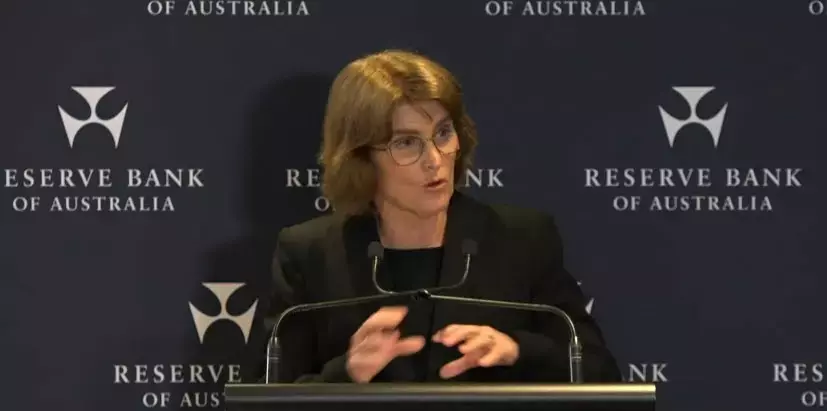
This unexpected outcome, characterized by a divided board vote, raises critical questions about the effectiveness of the RBA's public communication strategy. The central bank's emphasis on seeking additional data before future policy changes suggests a cautious approach, yet it has left many market participants pondering the reliability of their own forecasting models. The spotlight on Bullock's press conference underscores the urgent need for enhanced transparency to guide market expectations more accurately and to ensure a smoother transmission of monetary policy signals.
RBA's Unforeseen Rate Decision and Market Reaction
The Reserve Bank of Australia delivered an unexpected blow to market sentiment by keeping its benchmark interest rate at 3.60%, rather than implementing the widely anticipated 25 basis point reduction. This decision directly defied analyst forecasts, which had priced in a roughly 92% probability of a rate cut. The divergence between the RBA's action and market expectations underscores a significant gap in policy communication. The central bank's revelation that the vote was not unanimous, with a 6-3 split, further intensified curiosity about its internal deliberations and the factors influencing its cautious stance.
This unexpected hold on rates raises important questions about the RBA's commitment to transparent communication, a principle often highlighted as essential for effective monetary policy. While central banks are not obligated to yield to market pressure, the clear misjudgment of market sentiment suggests that the RBA's messaging, particularly concerning earlier discussions about potentially larger rate cuts, may have been misinterpreted. Governor Bullock's upcoming address is now critically important to bridge this communication chasm, offering essential clarity on the rationale behind the decision and mitigating future market volatility.
Future Policy Direction and Communication Challenges
The RBA's recent policy announcement has shifted focus to its future communication strategy, especially given the market's previous misinterpretations. The central bank's repeated assertion that it requires “a little more information” before any subsequent policy adjustments suggests a data-dependent approach. This phrase has become a focal point, indicating a strong likelihood that the next quarterly Consumer Price Index (CPI) report, due in late July, will be a crucial determinant for the August policy meeting. This reliance on upcoming economic data signifies the RBA's cautious stance and its intent to make informed decisions based on comprehensive economic indicators rather than immediate market speculation.
Looking ahead, the market's current pricing for approximately 74 basis points of rate cuts by year-end remains plausible, assuming the RBA adheres to a gradual, data-driven adjustment cycle. However, the exact timing and magnitude of these adjustments will largely depend on the economic information gathered over the coming months. Governor Bullock's press conference is therefore eagerly awaited, as it represents a pivotal opportunity to provide detailed explanations, refine market expectations, and reinforce the central bank's commitment to clear, consistent communication. This clarification is vital for restoring market confidence and ensuring a more predictable monetary policy environment.