Trump's Imminent Tariff Announcement to Impact Global Trade
In a significant development for international commerce, former President Trump is on the verge of unveiling new tariffs targeting Brazil. This impending decision is a continuation of his administration's robust trade agenda, which consistently prioritizes domestic economic interests through protectionist measures. The announcement is expected either today or tomorrow, signaling a potential shift in trade relations with the South American nation. This comes at a time when global discussions are also focused on complex geopolitical landscapes, including the ongoing conflict in Ukraine, efforts towards a resolution in Gaza, and internal debates about interest rate policies.
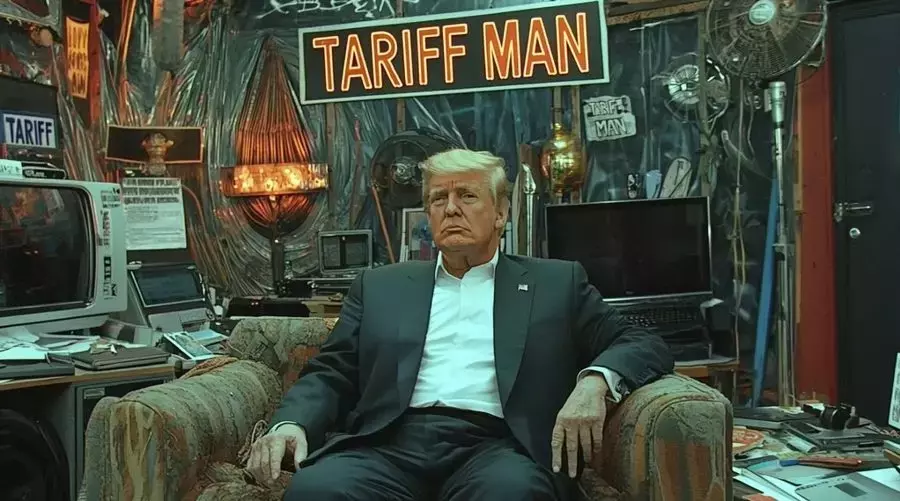
Imminent Trade Policy Shift: Brazil on the Tariff Radar
On Wednesday, July 9, 2025, former President Trump conveyed to reporters his intention to impose tariffs on Brazil, with the official declaration anticipated within the current day or by tomorrow. This follows a period where Brazil has shown a contentious stance on trade duties, setting the stage for a potentially impactful economic friction. Trump emphasized that his administration has faced minimal backlash regarding previous tariffs, indicating a confidence in this protectionist approach, which he describes as being rooted in 'common sense.' Beyond the immediate trade actions, Trump touched upon several pressing international and domestic issues. He expressed dissatisfaction with the situation in Ukraine, hinting at the potential deployment of additional Patriot missile systems. Furthermore, he noted a strong possibility of a settlement being reached in Gaza this week, a hopeful sign amidst persistent conflict. Domestically, he reiterated his belief that the United States should maintain the lowest possible interest rates, reflecting his economic philosophy. The impending tariff announcement coincides with Trump’s meetings with various African leaders, highlighting a broad engagement with international counterparts amidst these evolving policy decisions.
From a journalist's perspective, this announcement by former President Trump highlights the enduring influence of protectionist trade policies on the global stage. The decision to impose tariffs on Brazil, a nation that has historically contested such measures, underscores a calculated move designed to realign trade balances. This event serves as a potent reminder of how economic policies can intertwine with geopolitical strategies, influencing not only bilateral relations but also broader international dialogues. It emphasizes that leaders' comments, even when seemingly informal, can carry significant weight, shaping market expectations and international diplomacy. Observing the immediate effects and the subsequent reactions from affected nations will be crucial for understanding the full scope of these trade actions and their implications for global economic stability.