Warren Buffett's Latest Moves: Buying One Monopoly, Trimming Another
Warren Buffett, the long-standing leader of Berkshire Hathaway, is making significant adjustments to his company's investment portfolio as he prepares to transition leadership to Greg Abel. Over his remarkable 60-year tenure, Buffett has steered Berkshire Hathaway to an astounding cumulative return of over 6,000,000% for its Class A shares, consistently outperforming the S&P 500. Investors often observe his trading patterns through regulatory filings to gain insights into his strategies.

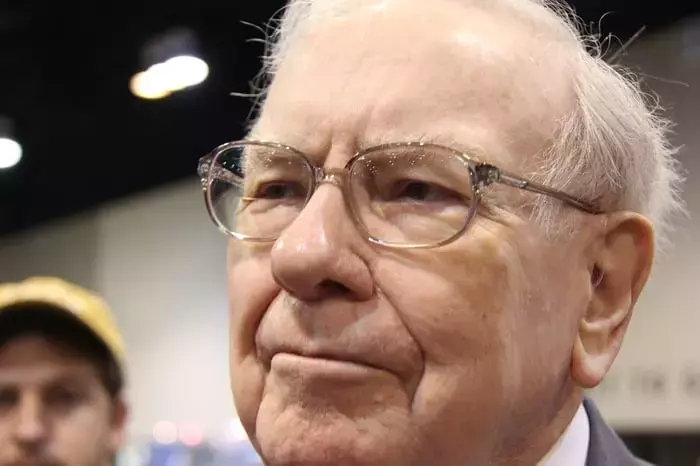
Buffett, known for his deep value investing principles, has been cautious in a market he perceives as overvalued, opting for a net-selling approach for 11 consecutive quarters, resulting in a near-record cash reserve of $344.1 billion for Berkshire. One of the rare exceptions to his selling trend is Sirius XM Holdings, a satellite radio provider. Berkshire Hathaway recently invested $106.5 million to increase its ownership in Sirius XM to over 37%, attracted by its status as a legal monopoly and its subscription-driven revenue model, which offers stability compared to ad-dependent traditional radio. This acquisition reflects Buffett's preference for companies with strong competitive advantages and attractive valuations, as Sirius XM trades at a forward price-to-earnings ratio significantly below its historical average.
Conversely, Buffett has reduced Berkshire Hathaway's holding in VeriSign, a company that manages critical internet domain registrations. Despite VeriSign's strong market position and high operating margins, derived from its legal monopoly over .com and .net domains, Buffett approved the sale of 4.3 million shares, cutting Berkshire's stake from 14.2% to 9.6%. This decision was primarily driven by regulatory considerations to keep the ownership below a 10% threshold, which triggers additional disclosure requirements. However, the high valuation of VeriSign, trading at around 30 times its forward-year earnings with limited growth prospects, also likely influenced the move, aligning with Buffett's historical aversion to overpriced assets, particularly given the current market's elevated valuations.
Warren Buffett's recent investment decisions illustrate his consistent commitment to fundamental value and strategic prudence. By selectively acquiring shares in an undervalued, monopolistic entity like Sirius XM and divesting from an overvalued, albeit strong, company like VeriSign, he demonstrates a calculated approach to maximizing long-term gains while mitigating risk in an uncertain market. His actions serve as a powerful reminder that even in a highly competitive and often speculative financial world, discipline, careful evaluation of intrinsic value, and adherence to sound investment principles are the ultimate pathways to sustainable success.