China Protests EU Sanctions During Key Trade Negotiations
Recent high-level trade negotiations between China and the European Union were marked by significant friction, as China officially protested against sanctions imposed by the EU on various Chinese enterprises. This pivotal virtual meeting, involving top trade officials from both sides, underscores the growing complexities and underlying tensions in their economic relationship, despite mutual acknowledgments of the importance of continued collaboration.
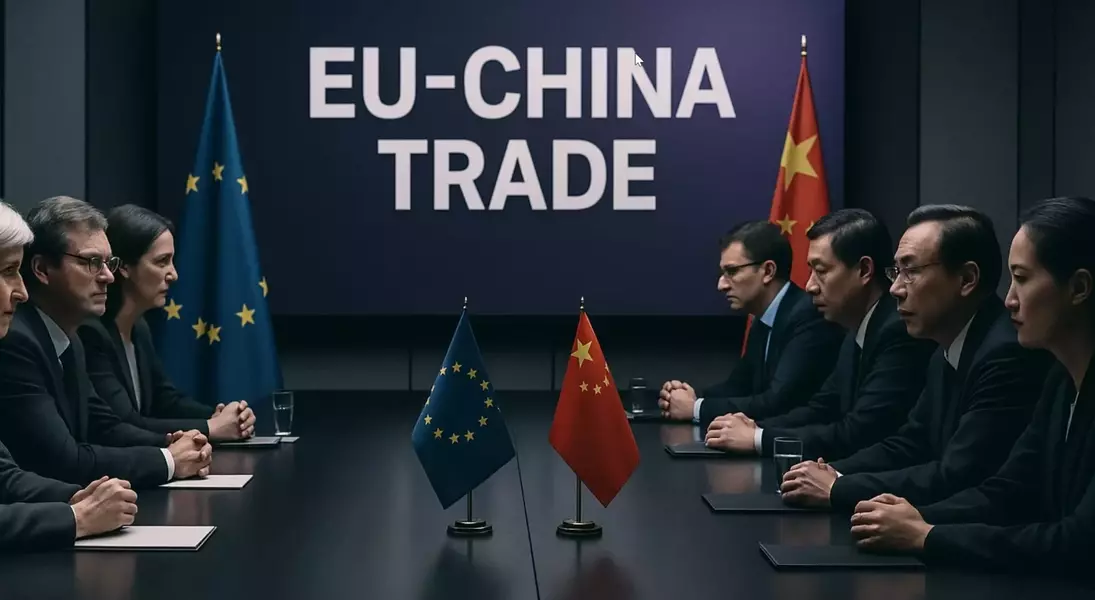
High-Level Diplomatic Exchange Reveals Trade Tensions
In a critical development on the global trade stage, a recent virtual meeting brought together China's esteemed Commerce Minister and the European Union's prominent trade chief. This significant interaction, which occurred in a meticulously arranged online setting, was described by involved parties as both "candid" and "in-depth." The primary agenda revolved around exploring avenues for enhanced trade cooperation while also addressing existing points of friction that have increasingly characterized the relationship between these two economic giants.
A central and particularly contentious issue that dominated the discourse was the European Union's recent imposition of sanctions on several Chinese firms. In response to these punitive measures, Beijing conveyed its strong disapproval by lodging "solemn representations," a formal and weighty diplomatic protest, directly during the virtual summit. This act underscored China's firm stance and its profound concerns regarding the impact of such sanctions on its commercial entities and broader economic interests.
Despite the evident disagreements and the formal protest, both the Chinese and European delegates concurrently emphasized the enduring importance of fostering continued economic collaboration. They acknowledged that a stable and cooperative trade relationship remains vital for global economic health. Nevertheless, the frank exchange unmistakably brought to the fore the escalating tensions within the China-EU trade dynamic, a situation further complicated by a confluence of geopolitical shifts and evolving regulatory landscapes that are continuously reshaping international commerce.
This dialogue, therefore, served as a crucial barometer, reflecting the delicate balance and intricate challenges inherent in one of the world's most significant bilateral trade relationships, highlighting the ongoing need for careful navigation amidst a complex global environment.
From a journalist's perspective, this high-stakes trade discussion offers a crucial lens into the evolving dynamics of international relations. It highlights how economic sanctions, while intended to exert pressure, can simultaneously become a significant point of contention, leading to formal protests and an undeniable chill in diplomatic and trade relations. The delicate balance between addressing geopolitical concerns and maintaining robust economic ties is a tightrope walk, and this episode serves as a powerful reminder of the intricate challenges faced by global powers. Moving forward, the effectiveness of these "candid and in-depth" discussions will be judged not just by the frankness of the exchange, but by whether they can truly bridge the chasm of disagreement and foster genuine, sustained economic partnership in a rapidly changing world order.