Continued Use of Turkish Lira in Syria Sparks Economic Concerns
In northwestern Syria, the Turkish lira has persisted as a substitute for the Syrian pound, despite the Assad regime's fall over five months ago. Initially adopted due to the severe devaluation of the Syrian pound and the cessation of pre-2011 commercial activities, this temporary measure was intended to sever ties with the former regime and stimulate foreign trade. However, its continued circulation raises questions about national sovereignty and economic stability.
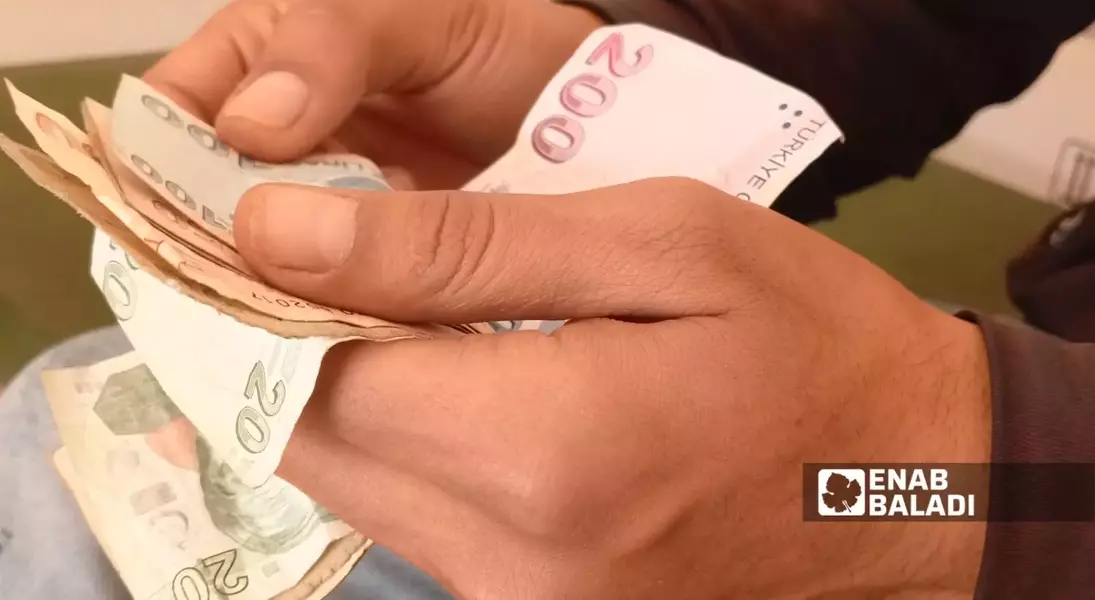
Persistent Circulation of Turkish Currency in Syria
In the wake of dramatic changes in Syria, the use of the Turkish lira remains prevalent, even extending beyond traditional boundaries to provinces like Damascus. This shift began in 2020 when the Syrian pound plummeted, reaching exchange rates of around 3500 pounds to one dollar. The adoption of the Turkish lira was seen as a temporary solution until political resolutions could stabilize the nation's economy. Yet, instead of phasing out, the Turkish currency's influence has grown, complicating monetary policies.
Inhabitants of Idlib and other regions now encounter damaged Turkish banknotes, leading merchants and gas stations to reject them. Economists warn that this situation undermines Syria's economic sovereignty and creates instability in the monetary market. Dr. Yahya al-Sayed Omar emphasizes that while there may have been justifications for adopting the Turkish lira under exceptional circumstances, these no longer apply today.
Economic experts highlight potential risks associated with prolonged reliance on foreign currencies. For instance, Dr. Ibrahim Nafea Koshaji argues that such practices infringe upon Syria's seigniorage sovereignty—the profit derived from issuing currency—and weaken the Central Bank's control over inflation and capital movement. Furthermore, this trend solidifies an economic divide between areas influenced by Turkey and those governed by the Syrian administration.
From a journalistic perspective, the persistence of the Turkish lira in Syria serves as a stark reminder of the complexities involved in rebuilding a nation's economy post-conflict. It underscores the importance of restoring confidence in the national currency through well-planned monetary policies. By addressing these challenges head-on, Syria can strive towards achieving internal economic stability and reducing dependency on external influences. Ultimately, fostering monetary independence will be crucial in safeguarding against global market fluctuations and ensuring long-term prosperity for the country.