Crude Oil Market Navigates Volatility Amidst Production Increases
Navigating the Oil Market: Stability Amidst Shifting Tides
OPEC+'s Output Expansion and Initial Market Response
In a recent announcement, OPEC+ revealed an augmented production target for the upcoming month, surpassing earlier expectations. While such news typically ushers in a period of price adjustment, the market demonstrated remarkable resilience. The immediate downward pressure on prices was quickly absorbed, indicating that traders and investors are now more attuned to other macroeconomic signals rather than solely reacting to supply fluctuations.
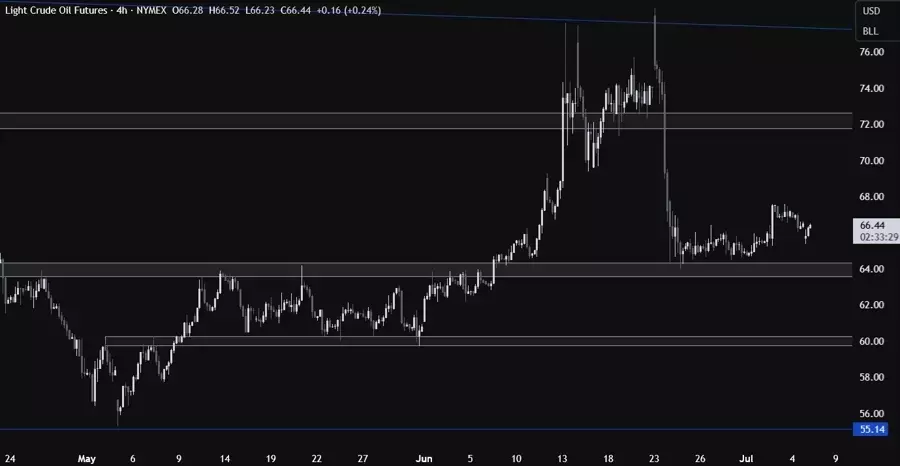
The Diminishing Impact of Supply Hikes on Price Action
Historically, significant increases in oil supply have often triggered notable price declines. However, this trend appears to be losing its potency. Following the initial, more pronounced sell-off triggered by the first production boost, subsequent increases have had progressively less impact on market valuation. This evolving pattern suggests a fundamental re-evaluation by market participants, with external economic forces gaining prominence in shaping price movements.
Broader Economic Drivers and Their Influence on Demand
The prevailing sentiment in the crude oil market is increasingly tied to the outlook for global economic expansion. Optimistic forecasts for growth are largely predicated on several key factors, including the potential for interest rate reductions by central banks, significant legislative initiatives aimed at stimulating the economy, and an ongoing reduction in international trade tensions. These elements are collectively perceived as robust stimulants for future oil demand, thereby providing underlying support for prices.
Technical Outlook: Navigating Support and Resistance Levels
From a technical perspective, the price of crude oil continues to trade within a defined corridor. A critical support level is identified around the 64.00 mark, where buying interest is anticipated to remain strong, potentially pushing prices towards a resistance point near 72.00. Conversely, a decisive breach below the support level could open the path for a further descent towards the 60.00 threshold, indicating a potential shift in the short-term trend.