Goldman Sachs Retains Brent Crude Forecast Amidst OPEC+ Production Adjustments
Goldman Sachs anticipates a substantial increase in oil production from key OPEC+ members, with eight nations collectively raising output quotas by 550,000 barrels per day (bpd) by September. This move marks the completion of the rollback of 2.2 million bpd in voluntary cuts, a strategic decision by the group to normalize its spare capacity in light of strong global demand for oil. This projection aligns with OPEC+'s recent choice to accelerate supply restoration in August by 548,000 bpd, a faster pace influenced by recent price fluctuations and geopolitical tensions in the Middle East. Goldman Sachs views this as a reinforcement of its long-held belief that OPEC+ is transitioning towards a more consistent strategy focused on reclaiming market share, effectively managing its spare capacity, and regulating the expansion of U.S. shale oil production.
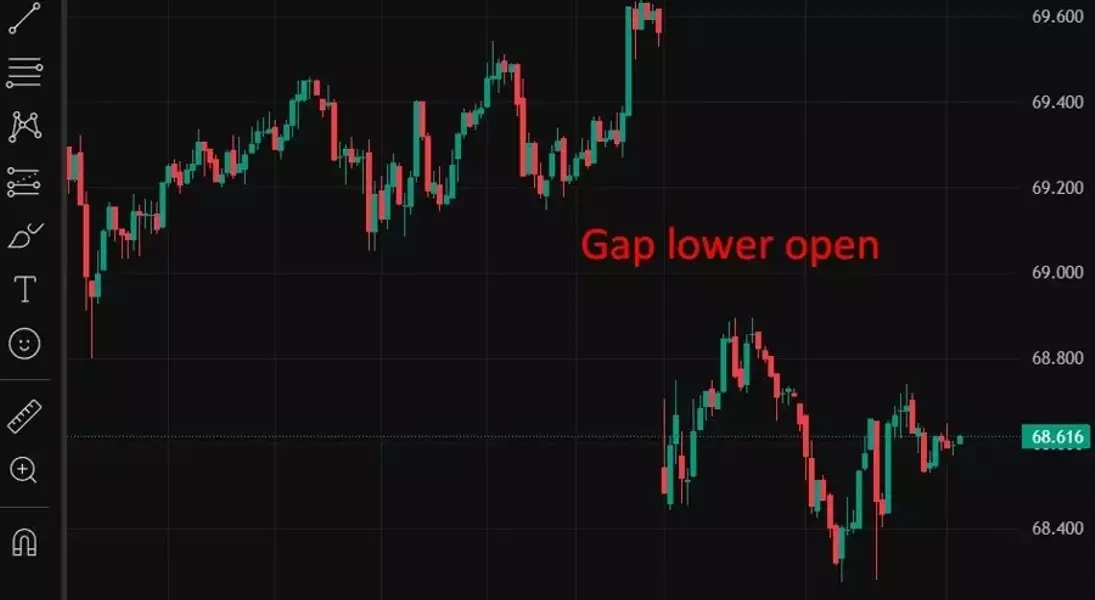
The financial institution projects that OPEC+ production will surge by 1.67 million bpd between March and September, ultimately reaching 33.2 million bpd. A significant portion of this increase, over 60%, is attributed to Saudi Arabia. The eight countries contributing to this output rise include Saudi Arabia, Russia, UAE, Kuwait, Oman, Iraq, Kazakhstan, and Algeria. Despite these anticipated supply increases, Goldman Sachs has kept its Brent crude oil price forecast steady at $59 per barrel for the fourth quarter of 2025 and $56 per barrel for 2026. The bank acknowledges a blend of factors influencing this outlook, such as the underperformance of Russian oil output and a tightening of global spare capacity. Furthermore, Goldman Sachs identifies potential upward pressures on demand, forecasting an increase in global oil consumption by 600,000 bpd in 2025 and 1 million bpd in 2026, primarily driven by robust demand from China, sustained global economic growth, and a depreciating U.S. dollar.
While the market appears balanced for 2025, according to the bank's analysis, there are cautionary notes regarding 2026. Potential downside risks include the possibility of an additional 1.65 million bpd in production cuts being reversed, and a 30% probability of a recession in the U.S. This comprehensive analysis highlights the complex interplay of supply adjustments, global economic indicators, and geopolitical factors that continue to shape the future of the international oil market, emphasizing the need for adaptive strategies and forward-thinking resilience in an ever-changing landscape.