German Chancellor Anticipates Asymmetrical International Accord
German Chancellor Friedrich Merz recently commented on the nature of impending international accords, suggesting an inherent asymmetry. This implies a scenario where the United States might uphold more substantial tariffs, while the European Union could potentially secure noteworthy concessions in critical areas. Such a dynamic underscores the intricate balance of power and negotiation in contemporary global politics and trade relations. The Chancellor's foresight suggests a pragmatic approach to future diplomatic engagements, acknowledging the varied strengths and priorities of participating nations.
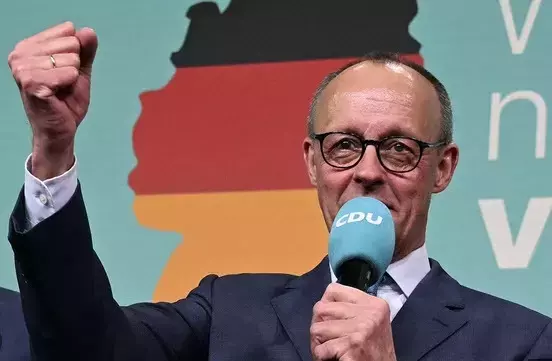
These remarks by the German Chancellor provide a glimpse into the anticipated framework of future international negotiations. The concept of an 'asymmetrical agreement' points towards a diplomatic landscape where perfect parity is not the expectation, but rather a strategic balancing of interests. This could mean that some parties, like the US, might leverage their economic position for broader tariff advantages, whereas others, such as the EU, would intensely pursue specific concessions crucial to their economic and strategic well-being. This nuanced approach reflects the complex interdependencies and competitive pressures shaping the international stage.
The Nature of Future International Pacts
German Chancellor Merz recently provided insights into the expected character of upcoming international agreements, forecasting that these accords would likely exhibit asymmetry. This prediction suggests a potential continuation of uneven power dynamics in global negotiations, where certain nations or blocs may retain advantages while others seek specific benefits. Such a framework challenges the traditional notion of perfectly balanced treaties, instead pointing towards practical compromises shaped by geopolitical and economic realities.
Merz's assertion regarding asymmetrical agreements highlights a pragmatic understanding of international diplomacy. It indicates that, rather than striving for absolute equality in every clause, future pacts may see major players, such as the United States, maintaining higher tariff structures, while other entities, like the European Union, might successfully negotiate crucial concessions in areas vital to their interests. This nuanced approach recognizes that each party brings distinct strengths and weaknesses to the negotiating table, leading to outcomes that, while not uniformly distributed, are nonetheless strategically beneficial for all involved. This perspective is vital for comprehending the evolving landscape of global trade and political alliances, emphasizing strategic trade-offs over strict reciprocity.
Strategic Implications for Global Trade
The Chancellor's assessment of asymmetrical agreements carries significant implications for global trade, particularly concerning the relationship between major economic powers. If the United States indeed maintains elevated tariffs, this could reshape various sectors, compelling other economies, including the European Union, to recalibrate their trade strategies to secure essential market access and mitigate adverse effects. This strategic imbalance could lead to new forms of trade negotiations and potential shifts in global supply chains.
The anticipated asymmetry in international agreements suggests that the United States could prioritize maintaining robust tariff protections for its domestic industries, while the European Union would likely concentrate its efforts on gaining specific, targeted concessions. These concessions might include favorable terms for critical European exports, access to key technologies, or exceptions to certain regulations that could hinder its economic growth. Such a scenario demands sophisticated diplomatic maneuvers and a clear understanding of leverage points. The long-term effects could include a more fragmented global trade system, where bilateral or regional agreements gain prominence, each reflecting unique asymmetrical arrangements designed to benefit the immediate parties involved rather than a universally applied free trade doctrine. This makes adapting to evolving trade dynamics crucial for all participants.