Global Markets React as US Imposes New Tariffs
Recent policy shifts in global trade have sent ripples across financial markets, primarily driven by the United States' decision to enact heightened tariffs. These measures, slated to commence on August 1st, have particularly targeted several nations, including Japan and South Korea, eliciting varied reactions in currency, commodity, and equity markets. Investors are closely monitoring the unfolding trade landscape and its implications for economic stability and growth.
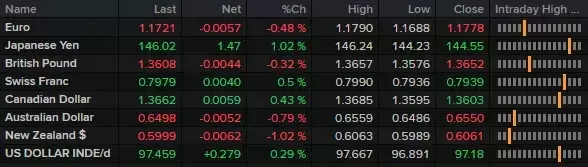
Amidst these developments, central banks continue to navigate complex monetary policies. The Australian central bank's imminent rate decision is a focal point, with widespread expectations of a significant interest rate adjustment. Such moves underscore the delicate balance policymakers must strike between supporting domestic economies and responding to external pressures, all while maintaining market confidence.
Trade Policy Shifts Impact Global Currencies
The US administration's unveiling of increased tariffs, set to take effect on August 1, has immediately influenced international currency exchanges. Initially, the announcement caused a strengthening of the US dollar as investors sought safe-haven assets. This immediate surge saw the dollar gain against various major currencies, reflecting a classic market reaction to geopolitical uncertainty and potential trade disruptions. While some of these initial gains were later moderated, particularly against the British pound, the overall trend indicated a preference for the greenback amidst heightened trade tensions.
The Japanese Yen, in contrast, experienced a consistent depreciation throughout the trading day. Beginning at 144.25 in early Asian trading, the Yen steadily weakened, reaching 146.10 by the end of the session. This decline highlights the vulnerability of export-oriented economies to tariff impositions, as higher trade barriers can dampen demand for their goods, thereby affecting their currency's value. The EUR/USD pair also saw volatility, dipping to a session low of 1.1688 before rebounding to 1.1720, demonstrating the nuanced and often unpredictable nature of currency movements in response to significant trade policy announcements. These currency fluctuations underscore the interconnectedness of global trade and financial markets, where policy decisions in one major economy can rapidly trigger widespread market adjustments.
Commodity Market Responses and Monetary Policy Watch
Commodity markets displayed a mixed reaction to the escalating trade tensions. Gold, often considered a safe haven during economic uncertainty, initially experienced a significant decline but remarkably recovered all its losses and closed higher. This resilience in gold prices suggests that while immediate market jitters might cause a temporary dip, underlying concerns about global economic stability tend to bolster its appeal as a store of value. The yellow metal's rebound from an earlier $35 drop indicates a deeper market sentiment gravitating towards security amidst the turbulence caused by the new tariffs.
Conversely, the oil market witnessed notable volatility. After an initial $2 decline, triggered by news of increased OPEC production, crude oil prices surprising rallied to finish $1 higher. This unexpected turnaround in oil, despite bearish news, points towards ongoing tightness in global inventories and strong underlying demand. Traders observed a "classic post-OPEC squeeze," suggesting that supply concerns continue to outweigh fears of reduced demand due to tariffs. Meanwhile, the focus now shifts to the Reserve Bank of Australia (RBA), with markets largely anticipating a 25 basis point rate cut. The Australian dollar (AUD/USD) traded near 0.6500, softening ahead of the RBA's decision, which is expected to further influence regional and global market sentiment, particularly for commodity-linked currencies.