Global Markets React to New US Tariff Announcement
In a significant move impacting international trade relations, the United States has initiated a new round of universal tariffs, commencing with a 25% levy on goods from Japan and South Korea. This action, echoing previous trade strategies, has prompted immediate reactions across global financial markets. The imposition of these tariffs serves as a potent reminder of the fragility of established trade agreements and the potential for economic ripple effects.
Global Trade Faces Renewed Uncertainty as US Imposes Tariffs on Key Allies
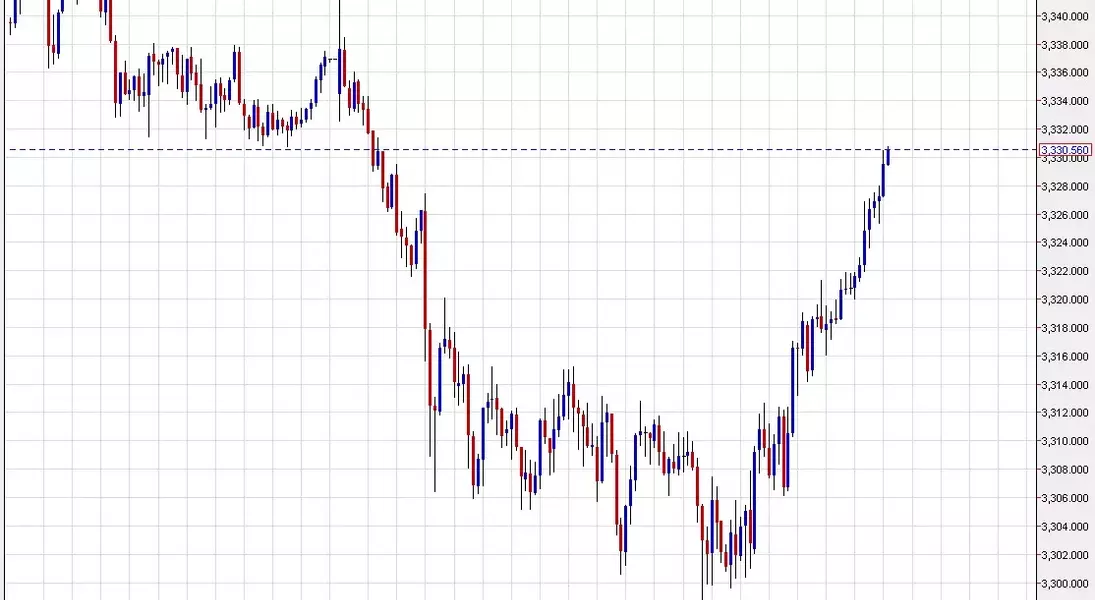
On a pivotal Monday, the 7th of July, 2025, the United States embarked on a path of renewed protectionism by levying substantial 25% universal tariffs on long-standing allies, Japan and South Korea. This declaration marks merely the initial phase, with anticipation building for up to ten additional similar pronouncements targeting other significant trading partners throughout the day. This unexpected development immediately sent tremors through the global financial landscape. Financial markets responded swiftly, witnessing a downturn in US stock values, an appreciation of the US dollar, and a notable surge in gold prices. The market's embrace of gold is particularly striking, mirroring its robust performance during earlier periods of heightened trade tensions. During a previous tariff announcement on April 2nd, the precious metal initially experienced a $170 dip but swiftly rebounded, gaining over $500 to reach an unprecedented high of $3498 per ounce before the onset of the TACO Trade. Observers note that the current market reaction appears more tempered, suggesting a perception that these tariffs might serve as a strategic negotiation tactic. The implementation date for these new tariffs is set for August 1st, strategically falling after the Japanese lower House elections. Treasury Secretary Scott Bessent has indicated that this timing could pave the way for future negotiations. Furthermore, voices within the US Congress have previously expressed a desire to conclude trade discussions by Labor Day. While these tariffs are widely interpreted as a form of diplomatic leverage, signaling the potential for future discussions, the underlying objective of the current administration appears to be more ambitious than merely reversing the tariffs. There's a discernible push for a 'reciprocal' trade framework, where the United States would levy a minimum 10% tariff on all imports, while other nations would eliminate tariffs on US exports, a proposition that presents a considerable challenge to existing international trade norms. Over the long term, such aggressive trade postures risk undermining crucial trading and political alliances, potentially accelerating the global trend towards de-dollarization and encouraging nations to diversify their sovereign reserves into alternative assets like gold.
From a journalist's perspective, this re-emergence of aggressive tariff policies underscores a critical juncture in global economic relations. The unilateral imposition of tariffs, even on close allies, highlights a fundamental shift away from multilateral trade frameworks and towards a more bilateral, potentially confrontational approach. The market's immediate response, particularly the flight to gold, serves as a clear indicator of investor apprehension and the perceived instability that such policies introduce. It's imperative for policymakers and businesses alike to meticulously analyze the long-term implications of these actions, which could reshape supply chains, alter investment flows, and profoundly influence geopolitical alignments. The potential erosion of trust between nations, exacerbated by these economic pressures, could have far-reaching consequences beyond the immediate financial impact, paving the way for a more fragmented and unpredictable global economic order.