Global Markets React to New US Tariffs on Japanese Goods: Dollar Strengthens, Stocks Decline
A recent declaration by the U.S. administration, imposing a 25% tariff on all Japanese imports, has sent ripple effects across international financial markets, leading to a notable strengthening of the U.S. Dollar and an uptick in bond yields. This significant trade policy shift has concurrently resulted in a downturn for equity markets globally, particularly impacting major U.S. indices. While the immediate market response reflects a cautious outlook, the delayed implementation of these tariffs to August 1 offers a window for potential diplomatic resolutions and further trade discussions.
This move underscores the persistent volatility in global trade relations, where policy decisions can rapidly alter economic landscapes. The market’s reaction—evidenced by the dollar's appreciation and stock market contractions—highlights the interconnectedness of international economies and the immediate impact of trade barriers on investor sentiment. As the deadline approaches, stakeholders will closely monitor any developments, hoping for negotiations that could mitigate the adverse effects of these tariffs.
Currency and Yield Dynamics Amidst New Tariffs
The imposition of fresh tariffs by the United States on Japanese goods has swiftly influenced currency markets and bond yields. The dollar has registered gains against key currencies, notably reaching new highs against the Japanese Yen (USDJPY) and Swiss Franc (USDCHF). This appreciation reflects a flight to safety and the perceived strength of the dollar in times of trade uncertainty. Simultaneously, U.S. treasury yields have increased across the board, from short-term 2-year notes to long-term 30-year bonds, indicating investor demand for higher returns in a riskier environment.
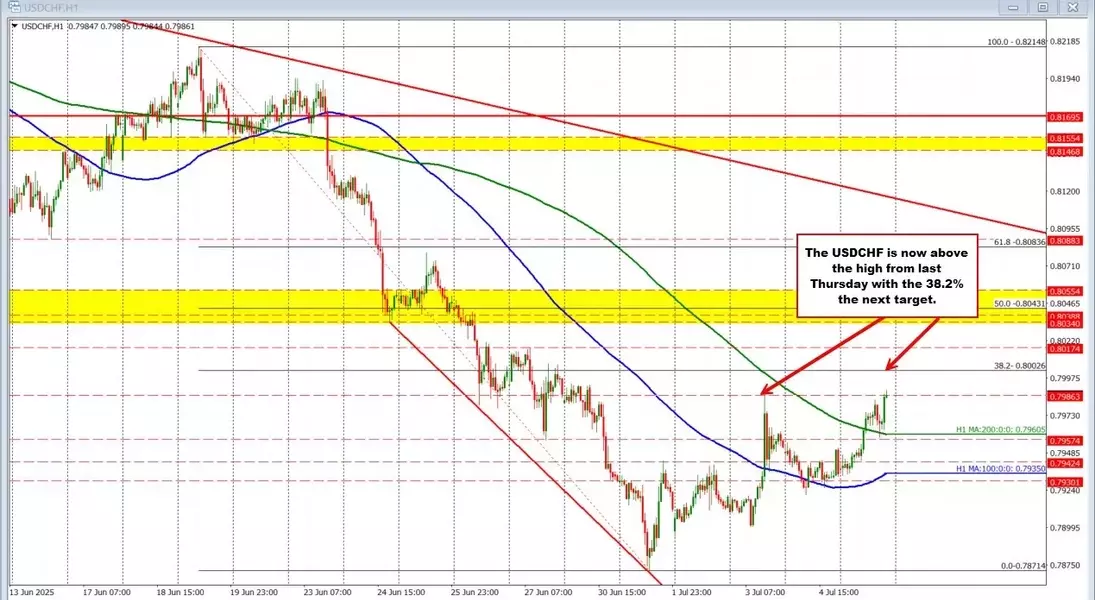
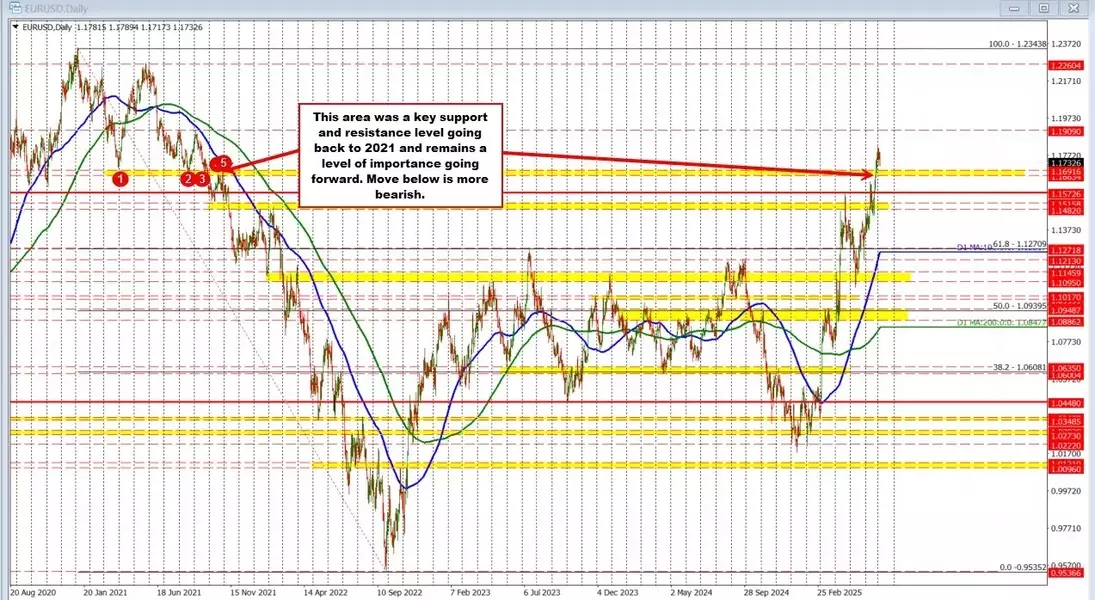
Specifically, the USDJPY surged, touching 146.08 and entering a critical resistance zone, while the EURUSD declined to fresh lows, breaking below a significant support level at 1.1716 and hinting at further depreciation towards the 1.1663-1.1691 range. The USDCHF also ascended, surpassing previous resistance and nearing a key retracement level. These movements collectively illustrate a broad-based strengthening of the U.S. dollar and an upward adjustment in bond yields, signaling the market's initial reaction to the new tariff regime and its implications for global capital flows.
Equity Market Contraction and Future Outlook
In stark contrast to the rising dollar and yields, global equity markets have experienced a significant slump following the tariff announcement. Major U.S. indices bore the brunt of this decline, with the Dow Jones Industrial Average, S&P 500, and NASDAQ all registering substantial losses. The small-cap Russell 2000 index was particularly affected, undergoing the steepest decline, reflecting heightened investor anxiety over the potential economic fallout from escalated trade tensions.
Despite the immediate negative reaction, the deferral of the tariff implementation to August 1 provides a glimmer of hope for future negotiations. This delay, while seemingly minor, shifts the immediate pressure from a July 9 deadline, offering additional time for diplomatic efforts to resolve the trade dispute. Such an extension suggests that the possibility of a trade agreement or a modification of the tariff terms remains open, potentially averting the full impact of these measures. The market's future trajectory will largely depend on the progress of these ongoing discussions and the willingness of all parties to reach a mutually beneficial resolution.