Tesla's Stock Plummets as Musk's Political Pursuits Eclipse Automotive Focus
Tesla's stock experienced a notable downturn, with analysts attributing the decline to CEO Elon Musk's increasing involvement in the political arena rather than a concentrated focus on the company's core automotive business. This shift has sparked concerns among investors regarding the company's trajectory and its valuation, especially as electric vehicle sales face headwinds and the much-touted self-driving technology garners mixed reviews.
Detailed Report on Tesla's Recent Market Performance and Leadership Distractions
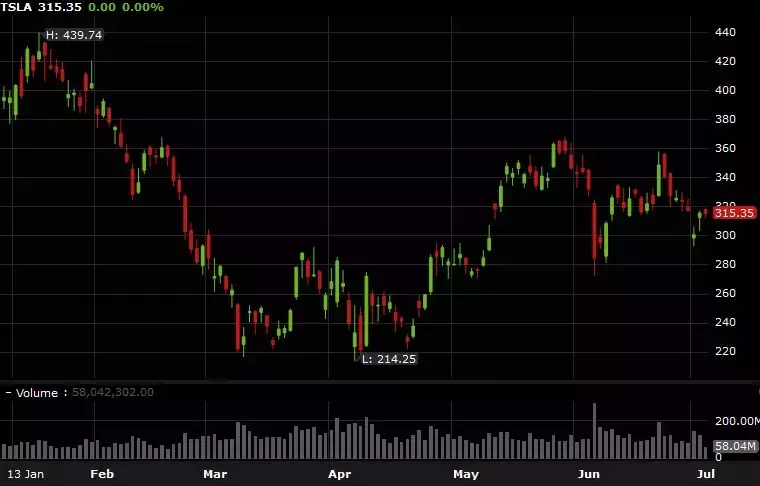
In the pre-market trading session on Monday, July 7, 2025, Tesla's shares plummeted by 6.7%. This significant drop followed a weekend where the charismatic CEO, Elon Musk, engaged in a highly public dispute with the US President concerning a recently passed budget. The budget notably excluded subsidies for electric vehicles, a move Musk had previously stated he was not entirely against but acknowledged would likely impact Tesla's sales figures.
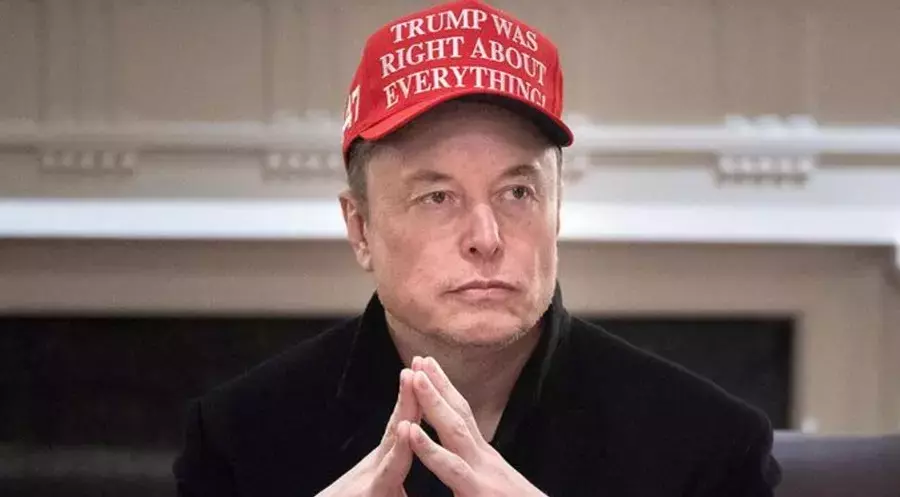
Musk escalated his political commentary by criticizing Washington's fiscal prudence and announcing his intention to establish a new political entity named the 'America Party,' aiming to contest a select number of seats. This declaration swiftly drew a sharp retort from former President Donald Trump, who, via his social media platform, remarked on Musk's recent behavior, stating he had gone 'completely off the rails,' describing him as 'essentially a train wreck over the past five weeks.'
As of the pre-market hours, Tesla's stock was trading at $293, dipping just below its intraday low of $294 recorded on the preceding Wednesday. Market observers are now keenly watching for whether the stock will further test the June spike low of $273. Beyond the immediate market fluctuations, fundamental challenges persist for Tesla. The broader automotive market is experiencing a rapid decline in sales, and there are growing concerns that Musk's political forays are alienating both long-standing and prospective customers. His time, many believe, would be better dedicated to advancing critical technological developments such as the full self-driving system, which, despite its recent rollout, has received only a middling reception from the public.
Looking ahead, the company's long-term vision appears to be shifting towards humanoid robotics, a domain that remains largely unproven, particularly for a company maintaining a trillion-dollar market capitalization. For traders, Tesla's stock has increasingly behaved like a 'meme stock,' driven more by massive options volume, market squeezes, and speculative hype rather than conventional earnings outlooks. This volatile environment necessitates extreme caution for anyone considering investments.
From an observational standpoint, it appears that the current turbulence surrounding Tesla shares is a direct consequence of a visionary leader spreading his focus too thinly. While Elon Musk's entrepreneurial spirit and audacious goals have propelled Tesla to unprecedented heights, his recent deep dives into political discourse seem to be distracting from the crucial technological and commercial challenges facing the company. It's a stark reminder that even the most brilliant minds have finite resources, and a diversion of attention from core business innovation to extraneous political battles can have tangible, negative impacts on market confidence and, ultimately, shareholder value. The saga of Tesla and its enigmatic leader underscores the delicate balance between corporate leadership, public persona, and the exacting demands of the financial markets.