Global Markets React to US-Japan Trade Announcement
Navigating Market Volatility: A 'Deal' and Its Ripple Effects
Immediate Market Response to the US-Japan Agreement
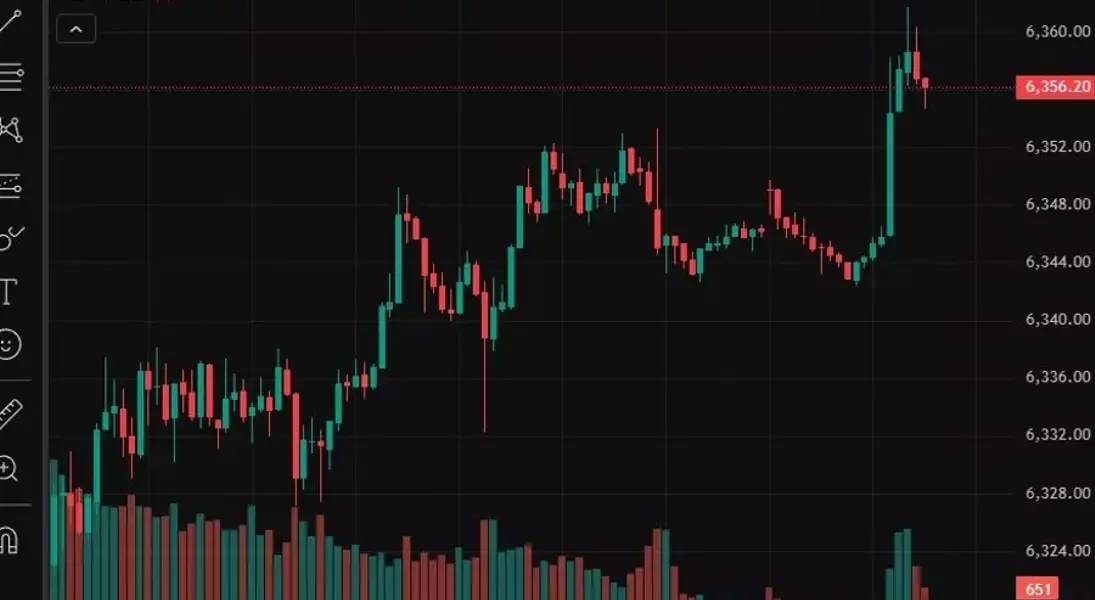
Upon the unveiling of a supposed trade accord between the United States and Japan, financial markets swiftly responded. Both Japanese and American stock index futures registered an increase, signaling an initial wave of optimism among investors regarding the potential economic benefits of this new arrangement. This movement underscores the sensitivity of global markets to high-level diplomatic and trade pronouncements.

The Curious Case of the Japanese Yen's Volatility
In contrast to the equity markets, the Japanese Yen's reaction to the 'deal' announcement presented a more complex picture. Initially, the Yen experienced a brief appreciation, suggesting an immediate positive interpretation by currency traders. However, this gain was fleeting, as the currency soon retreated to levels observed before the official statement, indicating underlying skepticism or a quick reassessment of the announcement's true implications by the foreign exchange market.
Discrepancy Between Proclamation and Economic Reality
Investors and market participants are encouraged to approach such declarations with a degree of circumspection. Historically, there has been a noticeable divergence between the enthusiastic rhetoric surrounding significant trade announcements and their actual, long-term impact on global economies. Therefore, while immediate market fluctuations offer trading opportunities, a cautious and discerning approach is vital, emphasizing the need to scrutinize the concrete details and enduring effects of any proclaimed agreement.