Impending EU Tariffs by Trump: Market Anticipation and Euro Volatility
The global financial landscape is currently fixated on an imminent announcement regarding trade relations between the United States and the European Union. Former President Trump's forthcoming letter to EU Commission President Ursula von der Leyen, expected to detail new tariff proposals, holds significant implications for the Euro and broader market sentiment. This move, likely to propose a 20% tariff rate with an August 1 deadline, is widely perceived as a strategic opening gambit in trade negotiations, rather than a definitive policy. The market's immediate response, particularly the Euro's resilience, will be a key indicator of investor confidence and the perceived negotiability of these potential trade barriers.
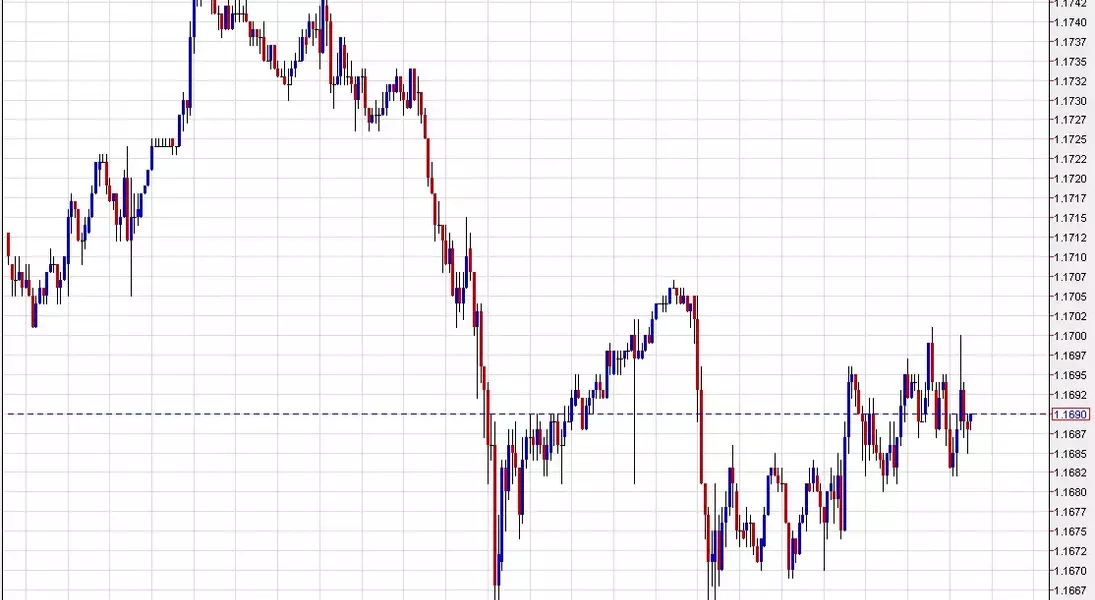
As the financial community braces for this pivotal revelation, attention is also drawn to historical market behaviors in response to similar geopolitical maneuvers. The speed with which currencies like the Canadian dollar and Brazilian real rebounded from previous tariff-related downturns offers a template for how the Euro might react. This anticipation underscores the understanding that while the initial tariff announcement may trigger volatility, its ultimate impact will depend on subsequent negotiations and the market's capacity to absorb and adjust to such policy shifts.
The Anticipated Tariff Announcement and Market Reaction
The financial world is keenly awaiting a significant development concerning trade between the United States and the European Union. Former President Trump is poised to send a letter to Ursula von der Leyen, the President of the European Commission, outlining potential tariff rates. This communication is anticipated to propose a 20% tariff, possibly effective by August 1. Such an announcement, while potentially unsettling, is generally understood within financial circles as an initial position for negotiation rather than a final, unalterable policy. The proposed tariff rate aligns with figures previously mooted by Trump, which have historically been subject to revision through diplomatic channels. This pattern suggests that the immediate market volatility, particularly affecting the Euro, might be part of a larger, more fluid negotiation process.
The market's immediate reaction to the impending tariff announcement is a central point of interest for analysts and traders. Past instances of similar trade-related declarations have shown varied responses from different currencies. For example, the Canadian dollar demonstrated a relatively swift recovery from previous tariff-induced declines, regaining its footing within an hour. The Brazilian real also showed resilience, turning around within approximately three hours. These historical precedents provide a framework for assessing the Euro's likely trajectory. The key question for traders will be how quickly the Euro can absorb any initial shock and whether investors will view the potential tariffs as a negotiable leverage point, leading to a rapid rebound, or a more lasting impediment to trade, prompting sustained downward pressure.
Understanding the Strategic Implications of Trade Policies
The impending tariff announcement transcends mere economic policy; it is fundamentally a strategic maneuver designed to influence international trade dynamics. The proposed 20% tariff rate, while seemingly aggressive, harks back to previous instances where such figures were introduced as strong opening bids in complex trade discussions. This approach typically aims to exert maximum pressure, creating a climate where concessions from the opposing side become more likely. For the European Union, the challenge lies in discerning the genuine intent behind these tariffs—whether they represent an unwavering stance or a calculated negotiation tactic. The response from EU leaders and subsequent diplomatic engagements will be crucial in shaping the ultimate outcome and mitigating any adverse economic repercussions.
Beyond the immediate financial market fluctuations, the long-term implications of these trade policies for global economic stability cannot be overstated. The potential for a trade dispute between two major economic blocs introduces uncertainty that can ripple through supply chains, investment decisions, and consumer confidence worldwide. The Euro's performance will not only reflect market sentiment towards the specific tariffs but also broader perceptions of political stability and the future of international trade cooperation. Investors and policymakers will be closely monitoring not just the initial headline, but the subsequent dialogue and actions from both sides, as these will ultimately determine whether this latest development leads to a prolonged trade conflict or paves the way for a new, albeit perhaps more contentious, framework for global commerce.