Iranian President Survives Israeli Strike Amid Escalating Conflict
A Close Call: President Pezeshkian's Survival in the Line of Fire
An Unprecedented Attack: Targeting High-Level Leadership
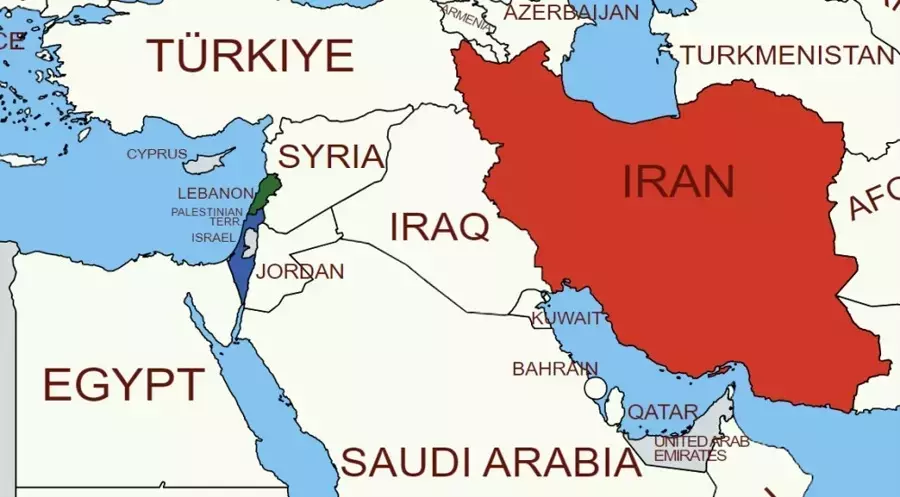
During the ongoing 12-day conflict in June, reports confirm that an Israeli aerial assault struck a crucial gathering of Iran's Supreme National Security Council in Tehran. This was no ordinary attack; six precision-guided missiles were deployed, directly impacting the secure facility where top Iranian officials had convened. The precision and target selection signify a deliberate and serious escalation in the conflict's intensity.
The President's Near Miss: A Swift Escape from Danger
Amidst the chaos and destruction of the strike, President Masoud Pezeshkian was reportedly wounded, sustaining a leg injury. His survival hinged on a rapid escape through an emergency exit, allowing him to evade the immediate danger of the blast zone. This incident highlights the perilous environment for key figures within the Iranian leadership as the regional confrontation intensifies.
Escalation of Hostilities: A New Chapter in the Conflict
The strike on the Supreme National Security Council meeting, and particularly the injury to President Pezeshkian, represents a critical turning point in the hostilities between Israel and Iran. The direct targeting of such a high-profile figure underscores a shift towards more aggressive tactics, signaling a dangerous new phase in their long-standing animosity. The implications for regional stability and future diplomatic efforts are profound, as both sides demonstrate a willingness to engage directly with severe consequences.