President Trump's Imminent Federal Reserve Visit: A Political Maneuver?
Former President Trump's upcoming visit to the Federal Reserve building has ignited considerable speculation regarding its true intent. While the exact purpose remains shrouded in mystery, the timing and his prior public statements suggest a potential political motive. This visit occurs amidst his persistent efforts to exert influence over the Federal Reserve's leadership, raising questions about whether it's a genuine engagement or a calculated step to shape public perception. The ambiguity surrounding the visit’s agenda amplifies the intrigue, prompting observers to consider the potential for a carefully orchestrated photo opportunity designed to reinforce his narrative.
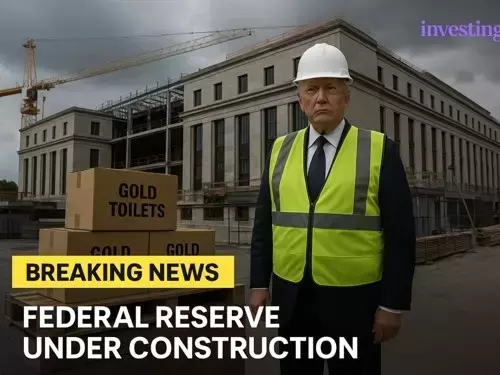
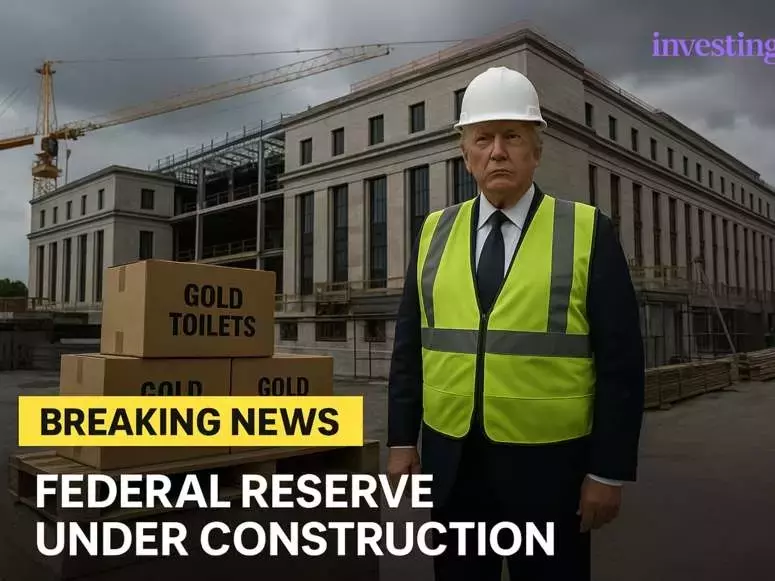
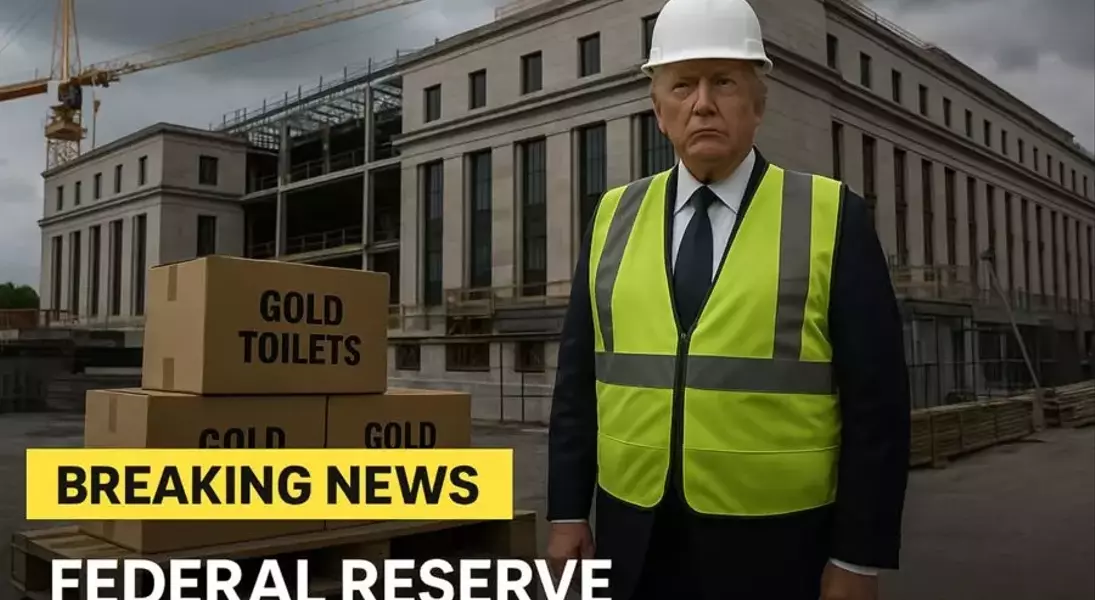
Given the history of tensions between the former President and the Federal Reserve Chairman, this event is likely to be scrutinized for any cues regarding future economic policy or leadership changes. The opaque nature of the visit only adds to the intrigue, turning a seemingly routine event into a subject of intense political and economic analysis. The broader implications for the independence of the central bank and the future of monetary policy are certainly at the forefront of discussions, as the world watches for any further developments that might shed light on the true motivations behind this unexpected visit.
The Enigmatic Federal Reserve Visit
Former President Trump's planned visit to the Federal Reserve today is shrouded in a veil of ambiguity, leaving observers to ponder its true purpose. Is it a formal meeting with the current Federal Reserve Chair, Jerome Powell, a casual tour of the construction site, or perhaps something entirely different? The lack of clear communication from official channels has only served to intensify speculation, particularly considering the well-documented history of the former President's public criticisms and attempts to influence the central bank's policies.
This deliberate ambiguity appears to be a calculated move, leveraging the inherent mystery to generate buzz and control the narrative. The visit's timing and the sparse details released create an environment ripe for interpretation, allowing various political and economic theories to emerge. It's a classic example of strategic communication, where the absence of information can be as potent as its presence. Observers are keenly watching for any visual cues or impromptu statements that might emerge from the visit, hoping to decipher its true intent and potential implications for the Federal Reserve's independence and future policy directions. The stage is set for a dramatic unfolding, where even a seemingly mundane visit to a building under construction could carry significant symbolic weight.
Political Ramifications and Strategic Intentions
The prevailing speculation suggests that the former President's visit to the Federal Reserve building is less about official business and more about political posturing. Against the backdrop of his well-known attempts to pressure the Federal Reserve Chairman, this visit could be a meticulously planned "gotcha" photo opportunity. The aim would be to capture an image or create a moment that can be exploited to further his political agenda and reinforce his narrative of discontent with the Federal Reserve's leadership, despite his previous assertions that he would not dismiss the Chairman.
This strategic move highlights the former President's adeptness at using public appearances to his advantage, transforming a simple visit into a potent political tool. The pursuit of a "golden ticket" — a politically advantageous moment — underscores the calculated nature of this event. Whether he achieves this objective remains to be seen, but the very act of the visit, coupled with its deliberate lack of transparency, serves as a powerful reminder of the intricate relationship between political rhetoric and institutional independence. The outcome of this visit, however seemingly inconsequential, could reverberate through the political and economic landscape, influencing public perception and potentially shaping future discussions about the role and autonomy of the nation's central bank. It's a high-stakes play where perception often outweighs reality.