Shell Reportedly in Early Discussions to Acquire BP, Igniting Market Speculation
Recent reports have ignited considerable interest within global financial markets, suggesting that two prominent energy titans, Shell and BP, are exploring the possibility of a colossal merger. This rumored alliance, if it comes to fruition, would undoubtedly reshape the landscape of the international energy sector, creating a combined entity of immense scale and influence. The mere speculation of such a high-stakes transaction has already sent ripples through the stock market, demonstrating the profound impact that major corporate maneuvers can have on investor sentiment and asset valuations.
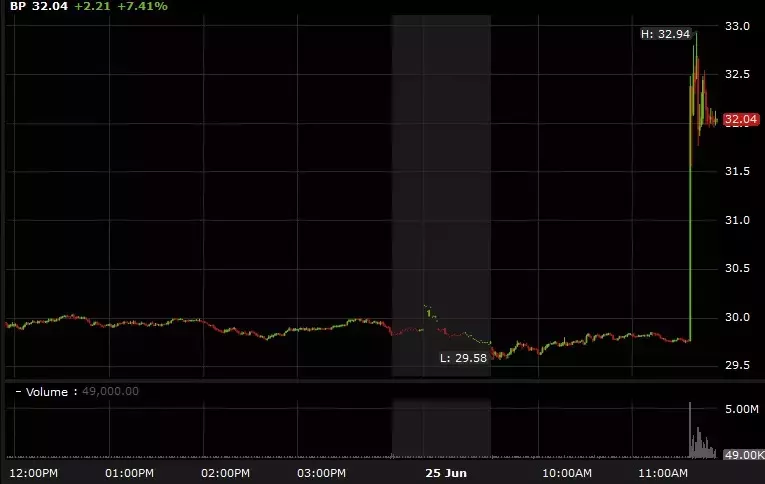
Energy Giants Eyeing Historic Union: Shell and BP in Preliminary Merger Talks
On Wednesday, June 25, 2025, at approximately 15:54 GMT, the financial world was abuzz with a groundbreaking report from the esteemed Wall Street Journal. This publication revealed that Shell, one of the world's leading multinational energy companies, has entered into early-stage discussions regarding a potential acquisition of its long-standing competitor, BP. This strategic move, still in its formative phases, hints at a dramatic consolidation within the global energy industry.
Prior to this significant disclosure, BP commanded a substantial market valuation of approximately $80 billion. However, the immediate aftermath of the Wall Street Journal's report witnessed a remarkable ascent in BP's stock performance. Shares in the British energy powerhouse surged by an impressive 7.5%, reflecting the market's enthusiastic reception to the prospect of this transformative merger. Such a substantial increase underscores the potential for synergy and enhanced market position that investors perceive in a combined Shell-BP enterprise.
While the talks are described as being in their "early stage," the very existence of these discussions between two such formidable players signifies a pivotal moment. The implications of this potential deal extend far beyond the balance sheets of these two companies, promising to influence energy prices, global competition, and strategic investments across the entire industry. All eyes will now be on London, as the corporate boardrooms of these British giants navigate the complexities of what could become one of the most monumental acquisitions in corporate history.
From a journalist's vantage point, this developing story offers a compelling narrative of ambition, strategic maneuvering, and the relentless pursuit of market dominance within the energy sector. The prospect of Shell absorbing BP is not merely a business transaction; it represents a potential paradigm shift that could redefine global energy dynamics for decades to come. As a reader, one might ponder the broader implications: what does this mean for consumers, for environmental initiatives, and for the competitive landscape of an industry already undergoing profound transformation? This news serves as a potent reminder of the constant evolution and high-stakes nature of the corporate world, where strategic decisions made today can echo across international markets tomorrow, shaping our economic future.