US Dollar Surges Amid New Tariff Announcements, Canadian Dollar Plunges
Recent declarations of new tariffs by former President Trump have sent ripples through global financial markets, causing a noticeable appreciation of the United States Dollar. This aggressive trade stance, specifically targeting Canada with a significant 35% tariff, has triggered a broad retreat from riskier assets, leading to a substantial weakening across multiple major currencies. The immediate impact was evident in the sharp depreciation of the Euro, Australian Dollar, New Zealand Dollar, British Pound, Japanese Yen, Swiss Franc, and notably, the Canadian Dollar.
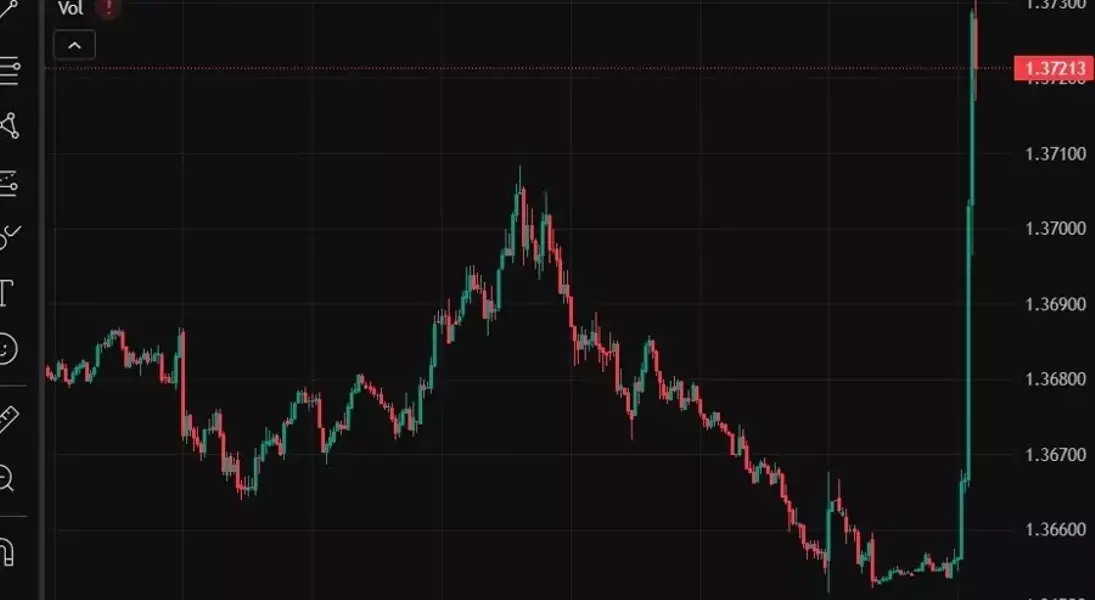
The Canadian Dollar, in particular, bore the brunt of this policy shift, experiencing a marked decline against the U.S. Dollar. The imposition of a 35% tariff on goods from Canada signals a potential escalation in trade tensions, prompting investors to seek the relative safety of the U.S. currency. This development underscores the sensitivity of currency markets to geopolitical events and trade policies, as nations brace for potential economic repercussions stemming from such protectionist measures.
In this evolving global economic landscape, where trade policies can swiftly alter market dynamics, maintaining a balanced and proactive approach is crucial. The recent movements highlight the interconnectedness of international trade and currency valuations, emphasizing the need for robust economic strategies and adaptive financial planning. Navigating these complexities with foresight and resilience will be key to fostering stability and growth amidst challenging times.