US Tariff Strategy: Billions at Stake and the Burden of Cost
A significant shift in international trade policy is underway, as US Commerce Secretary Howard Lutnick declared an end to tariff extensions for most countries beyond August 1st. This pronouncement carries a bold projection: an anticipated annual revenue of $700 billion from these tariffs, totaling an astounding $7 trillion over a decade. Lutnick’s statements also underscore the US demand for open markets from the European Union, hinting at potential tariff reconsideration if a mutually beneficial agreement is reached, though the probability of such a deal remains uncertain ahead of critical meetings. This aggressive stance aims to reshape trade dynamics and bolster the US treasury, but the sheer scale of the revenue target prompts deeper analysis into its practicality and broader economic implications.
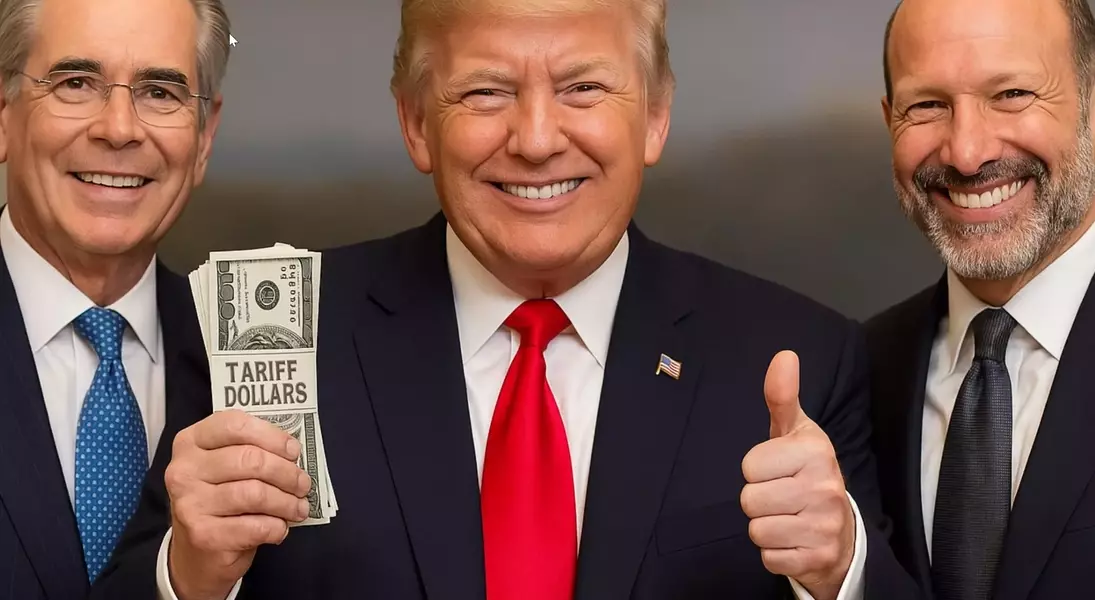
However, achieving this ambitious financial goal presents considerable challenges, as an average tariff rate of approximately 21.24% would be required across the current import volume. This figure dwarfs previous projections, like the $300 billion estimated by Scott Bessent, and necessitates a significant increase in monthly collections far beyond recent figures. Given that a large proportion of US imports originate from a concentrated group of countries including Mexico, China, Canada, Germany, and Japan, such a substantial average tariff would place immense pressure on these relationships. The critical question then arises: who will ultimately absorb these costs? Will it be foreign exporters, US importers, or will the burden inevitably fall on American consumers through higher prices?
Ultimately, the notion that tariff revenue represents \"free money\" is a misconception. Any increase in import costs, such as the proposed 21.24%, will undoubtedly be borne by participants throughout the supply chain. This policy shift, while presented as a boon to government coffers, carries the inherent risk of increased expenses for businesses and consumers alike. A robust and adaptable economy thrives on fair and balanced trade practices, fostering global cooperation and mutual prosperity. As nations navigate complex economic waters, transparency and equitable burden-sharing are crucial for ensuring long-term stability and growth for all parties involved.