Brazil's Economy Reeling from New U.S. Tariffs: Real Plummets Amidst Trade Tensions
A recent economic shift has sent ripples through the global financial landscape as the United States levied a substantial 50% tariff on Brazil. This action, described as a politically rather than economically motivated move, has triggered a sharp depreciation of the Brazilian real, which plunged by over 2%. The decision, conveyed through a direct communication from the U.S. President to his Brazilian counterpart, highlights a novel approach to trade policy, especially given that the U.S. currently enjoys a trade surplus with Brazil, suggesting that traditional trade deficit concerns were not the primary drivers behind this tariff. This development serves as a stark reminder of the unpredictable nature of international trade relations and the immediate, tangible effects such political decisions can have on national currencies and broader market sentiment.
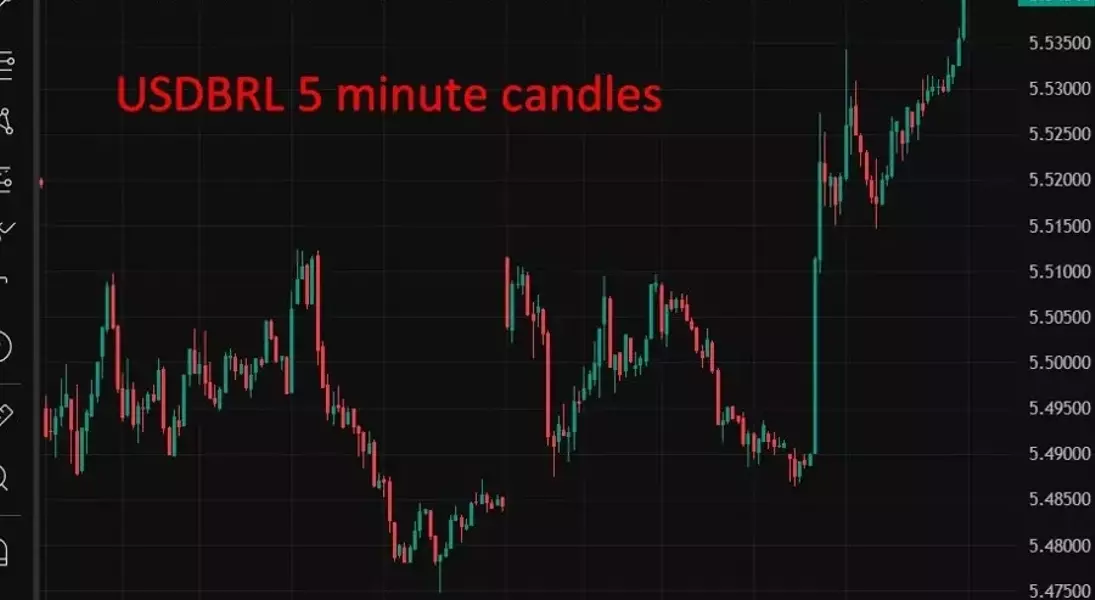
The current climate in emerging markets, as cautioned by leading financial institutions, foreshadows increasing volatility. This tariff imposition on Brazil aligns with earlier warnings from prominent investment banks regarding potential weaknesses in emerging market foreign exchange and stock valuations. Such protective trade measures by major economies introduce substantial risks, particularly for developing nations whose economic stability can be heavily influenced by shifts in international trade dynamics. Investors are now keenly observing how these tariffs will impact not only the Brazilian economy but also other emerging markets that might face similar protectionist policies, underscoring a period of heightened caution and strategic reevaluation for global portfolios.
Implications of Unconventional Tariffs
The recent imposition of a 50% tariff on Brazilian goods by the United States has sparked considerable debate, primarily because it deviates from conventional trade protectionism. Unlike tariffs aimed at rectifying trade imbalances, this measure was enacted despite the U.S. already holding a trade surplus with Brazil, signaling a shift towards politically charged trade interventions. This unprecedented approach raises questions about the future of international trade relations, where political objectives may increasingly override traditional economic justifications for such policies. The immediate market reaction, with the Brazilian real depreciating sharply, demonstrates the profound and swift impact such non-economic tariffs can have on currency stability and investor confidence.
This move highlights a broader trend where trade policies are being utilized as tools for geopolitical leverage rather than purely for economic adjustment. The direct communication from the U.S. President underscores the personal and political nature of this decision, setting a precedent for how future trade disputes might be initiated and managed. For Brazil, and potentially other nations, this means navigating a trade environment where protectionist measures are less predictable and more susceptible to political whims, forcing governments and businesses to adapt quickly to sudden shifts in international trade landscapes. The instability generated by these tariffs could also deter foreign investment and disrupt established supply chains, creating long-term economic repercussions.
Emerging Market Vulnerabilities Amidst Trade Tensions
The immediate and significant depreciation of the Brazilian real following the tariff announcement serves as a critical indicator of the heightened vulnerability within emerging markets. This currency turmoil echoes recent warnings from major financial institutions such as J.P. Morgan and UBS, which had already cautioned about potential instability in emerging market currencies and equities. Their analyses indicated that these markets were not adequately factoring in the risks associated with escalating global trade conflicts, thereby leaving them exposed to sudden policy shocks like the one enacted against Brazil.
The situation in Brazil offers a tangible example of how trade protectionism can rapidly translate into tangible economic consequences, particularly for nations reliant on global trade and foreign investment. The real's fall underscores a broader fragility in emerging economies, where domestic policies and economic fundamentals can be quickly overshadowed by external trade pressures. As more nations adopt protectionist stances, the risk of capital flight and currency devaluation increases across various emerging markets. This environment necessitates that investors and policymakers alike re-evaluate risk models and strategic approaches to mitigate the impact of politically driven trade measures on the stability and growth prospects of developing economies worldwide.