Diplomatic Breakthrough: Iran Resumes Nuclear Talks with European Powers
A pivotal diplomatic development is unfolding as Iran and three major European nations—Britain, France, and Germany—have reached a consensus to restart crucial negotiations regarding Tehran's nuclear ambitions. This breakthrough comes after considerable pressure from the European powers, who had cautioned of renewed international sanctions should discussions falter. The impending talks are poised to significantly impact geopolitical dynamics and global energy markets, particularly given the potential for increased oil supplies if Iran's reintegration into the international fold progresses.
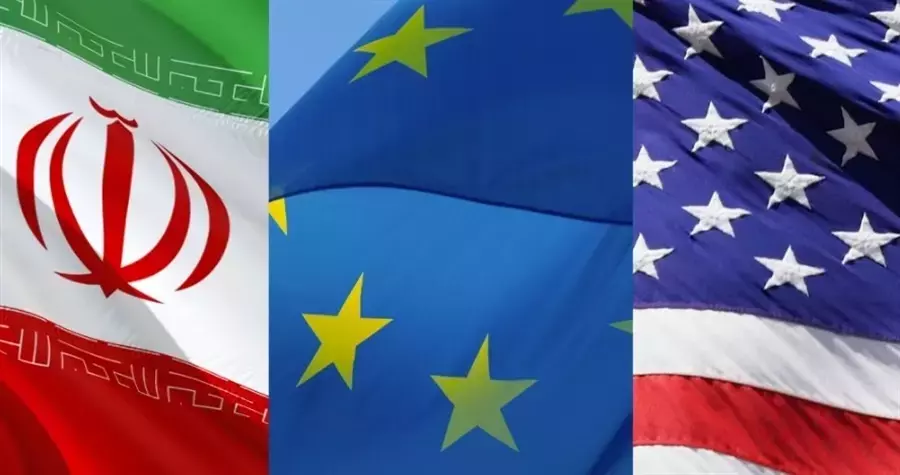
This renewed dialogue highlights a strategic pivot, as all parties seek a peaceful resolution to long-standing concerns surrounding Iran's nuclear activities. The decision to resume negotiations underscores a mutual recognition of the urgent need for a diplomatic pathway to de-escalation and stability. Observers worldwide, especially within the oil sector, will be closely monitoring the outcomes, understanding that a successful resolution could introduce greater stability and potentially influence global commodity prices.
Resumption of Nuclear Program Negotiations
Iran, in concert with key European nations—Britain, France, and Germany—has given its assent to reignite discussions surrounding its nuclear capabilities. This significant step forward was confirmed by Iran's semi-official Tasnim news agency, marking a critical juncture in the long-standing international efforts to address concerns about Tehran's nuclear development. The decision to return to the negotiating table was not spontaneous; it materialized against a backdrop of stern warnings from the European powers. These nations had explicitly indicated that a failure to resume talks could trigger the reinstatement of international sanctions, thereby intensifying economic pressure on Iran.
The announcement underscores a shared commitment, albeit potentially reluctant, to diplomatic engagement over further isolation. The European Union nations, in this context, are also serving as intermediaries for the United States, suggesting a broader Western interest in the outcome. The impending discussions are slated to occur on Friday, July 25, in Istanbul, a city strategically chosen for its neutral ground and accessibility. The global oil markets, in particular, are keenly observing these developments, with a prevailing sentiment that any movement towards normalizing Iran's international standing could facilitate an increase in the country's oil production and export, thereby marginally augmenting the global supply.
Implications for Global Energy Markets and International Relations
The agreement between Iran and the European triumvirate of Britain, France, and Germany to resume discussions on Tehran's nuclear program carries profound implications, extending far beyond the immediate diplomatic sphere. The restart of these high-stakes negotiations, set for July 25 in Istanbul, is a direct consequence of sustained pressure and warnings from the European nations, who had made clear that the alternative was the reimposition of stringent international sanctions. This diplomatic overture signals a crucial effort to de-escalate tensions and seek a negotiated settlement, recognizing the shared imperative to prevent further proliferation and ensure regional stability.
For the global energy landscape, these talks are nothing short of monumental. Experts and stakeholders in the oil markets are particularly attentive, as a successful outcome that brings Iran closer into alignment with the international community could pave the way for an increase in Iranian oil exports. Such an increase, even a marginal one, would contribute to the global oil supply, potentially influencing price stability and market dynamics. Furthermore, the European nations' role as a proxy for U.S. interests highlights the intricate web of international relations at play, underscoring a concerted effort to manage a complex geopolitical challenge through dialogue rather than punitive measures. The success of these talks could set a precedent for future diplomatic engagements on critical global security issues.