Japan's Finance Minister Kato Clarifies Stance on US Foreign Exchange Talks
Japanese Finance Minister Kato recently offered insights into the nation's economic diplomacy, particularly concerning its interactions with the United States. While emphasizing a strengthened mutual comprehension with US Treasury Secretary Scott Bessent on foreign exchange dynamics, Kato clearly articulated that no concrete, immediate plans are in place for dedicated discussions on this specific topic. This nuanced position comes amidst broader ongoing trade negotiations with the United States, where Japan anticipates a potential evolution in the US approach. Concurrently, the finance ministry is actively devising strategies to mitigate the impact of US tariffs on Japanese industries, ensuring cohesive cross-agency cooperation. Kato's remarks, which frequently reference Bessent, often trigger notable shifts in the yen market, highlighting the sensitivity and influence of these high-level financial dialogues.
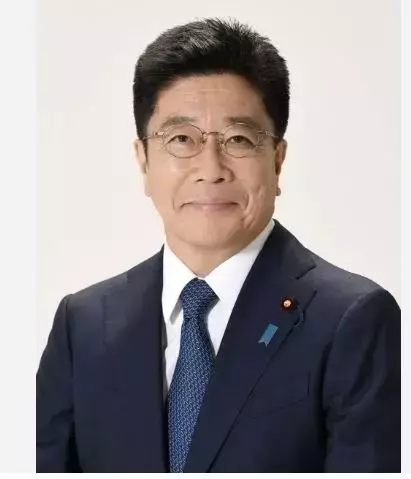
Kato Addresses Key Economic and Diplomatic Agendas
On a crisp Tuesday, July 8, 2025, Japanese Finance Minister Kato delivered a series of crucial statements, illuminating Japan's current economic and diplomatic priorities. Addressing the press, Minister Kato confirmed that discussions with the United States are actively progressing on the contentious issue of tariffs. He expressed a hopeful outlook, suggesting that the United States' position might soften as these trade negotiations unfold. Furthermore, Kato reiterated Japan's unwavering commitment to its domestic industries, vowing to implement necessary measures to counteract the adverse effects of US tariffs. This proactive stance involves close collaboration with various governmental agencies to ensure a unified and effective response.
In a significant disclosure regarding international financial relations, Minister Kato clarified Japan's current approach to foreign exchange dialogue with the US. He revealed that through continuous engagement, a profound understanding has been cultivated with US Treasury Secretary Scott Bessent concerning foreign exchange policies. Despite this deepened rapport and a pledge for ongoing close coordination, Kato explicitly stated that, as of now, there are no definitive plans for specific, dedicated foreign-exchange discussions with Secretary Bessent. The minister’s remarks carry considerable weight, often influencing market sentiments, particularly for the Japanese yen, a testament to the acute attention paid by financial markets to these diplomatic exchanges.
In a related note, the minister also touched upon his potential attendance at upcoming G20 meetings in the vibrant nation of South Africa, indicating that a decision on this matter is yet to be finalized.
Minister Kato's calculated pronouncements serve as a powerful reminder of the delicate balance in international economic relations. His ability to strategically reference key figures like Secretary Bessent, even when denying immediate specific talks, illustrates the intricate dance of diplomatic signaling. For observers and participants in global markets, these statements are more than mere words; they are subtle indicators that can sway currency valuations and investment strategies. It underscores the profound interconnectedness of high-level diplomatic discourse and real-world market reactions, urging continuous vigilance from all stakeholders. The interplay between political statements and economic outcomes remains a fascinating and critical area of focus.