US State Department Greenlights Major Defense System Sale to Egypt
In a strategic move aligning with the Trump administration's economic and geopolitical objectives, the United States is increasingly utilizing defense exports as a key instrument. This approach not only stimulates the domestic manufacturing and defense industries but also serves as a potent tool in international diplomacy and trade relations. By offering high-value military hardware and related services, the U.S. aims to strengthen alliances, cultivate goodwill, and address trade deficits with various nations. This policy has demonstrably positive effects on the defense sector's market performance, reflecting robust investor confidence in its growth trajectory.
United States Clears Path for Advanced Missile System Transfer to Cairo
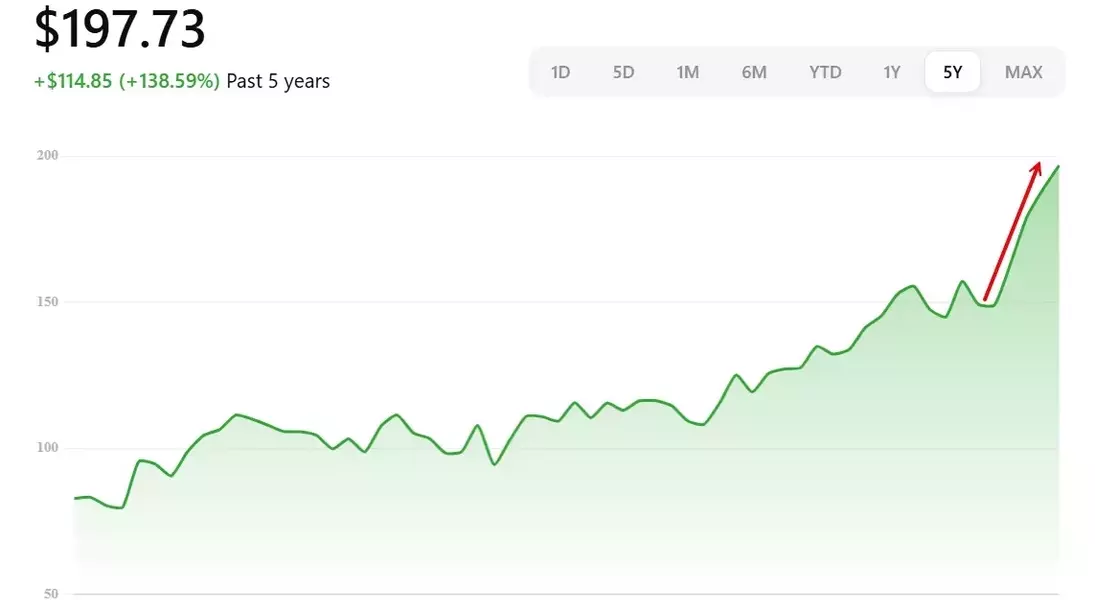
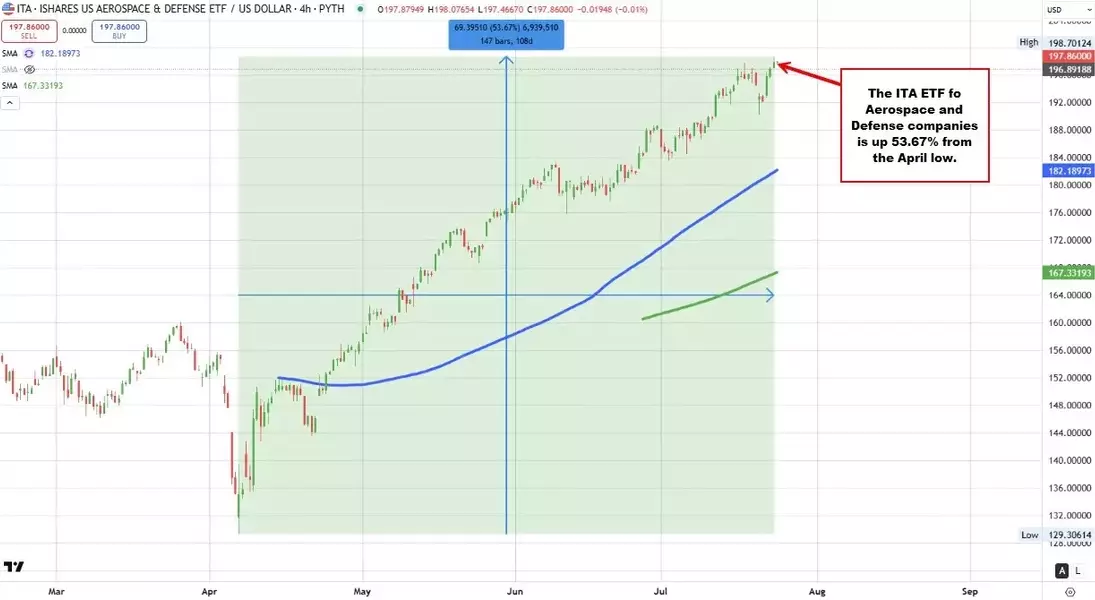
On a pivotal day, the Pentagon officially confirmed the U.S. State Department's endorsement of a prospective arms deal with Egypt, totaling an impressive $4.67 billion. This proposed acquisition focuses on the sophisticated National Advanced Surface-to-Air Missile System (NASAMS). Notably, this development unfolds against a backdrop where the United States already enjoys a trade surplus with Egypt, having exported approximately $6.1 billion in goods to Cairo as of 2024, while imports from Egypt stood at around $2.5 billion. Concurrently, European Union nations face growing pressure from the U.S. administration, which has voiced concerns over their defense spending. In response, the EU has begun to increase its military outlays, a trend expected to continue, partly driven by a desire to safeguard or reduce existing tariffs on their exports to the American market. The financial markets have reacted with enthusiasm to these geopolitical currents. The iShares U.S. Aerospace & Defense ETF (ITA), a barometer for leading companies in this sector, has experienced a remarkable ascent. Since its low point in April, the ETF has surged by 53.67% and has registered a 36% gain year-to-date, signaling strong investor belief in the sector's prosperous outlook. The long-term performance data, as depicted in the five-year chart, clearly indicates an accelerated growth pattern. The fund's holdings are notably concentrated, with its top ten investments representing approximately 75% of its total assets, featuring prominent names such as GE Aerospace, RTX Corp., and Boeing.
From a journalist's vantage point, this unfolding narrative underscores a compelling fusion of foreign policy, economic strategy, and market dynamics. The United States' strategic use of defense sales transcends mere financial transactions; it's a calculated maneuver to reshape geopolitical alignments and address economic imbalances. This approach compels allied nations to reassess their defense commitments, potentially leading to increased global military expenditures. Furthermore, the robust performance of the aerospace and defense sector ETFs serves as a tangible indicator of how deeply intertwined national security policies are with global financial markets. It prompts us to consider the broader implications of such sales, not just for the recipient nations' security, but for the intricate web of international trade and diplomatic relations. It highlights a future where defense capabilities are not only a shield but also a significant economic lever.