Asia-Pacific Market Dynamics: Trade Deals, Economic Forecasts, and Political Shifts
Today's financial landscape across the Asia-Pacific region was significantly shaped by a series of pivotal events, most notably the newly forged trade agreement between the United States and Japan. This accord, marked by reciprocal tariffs and specific provisions for agricultural goods, sent ripples through equity markets, particularly uplifting the Nikkei. Meanwhile, the Japanese Yen experienced a period of erratic fluctuations against major currencies, influenced by both the trade news and the cautious stance from the Bank of Japan regarding future monetary policy. Amidst these economic shifts, Japan’s political arena saw its own significant development with the announcement of Prime Minister Ishiba’s forthcoming resignation, adding another layer of complexity to the region’s dynamic environment.
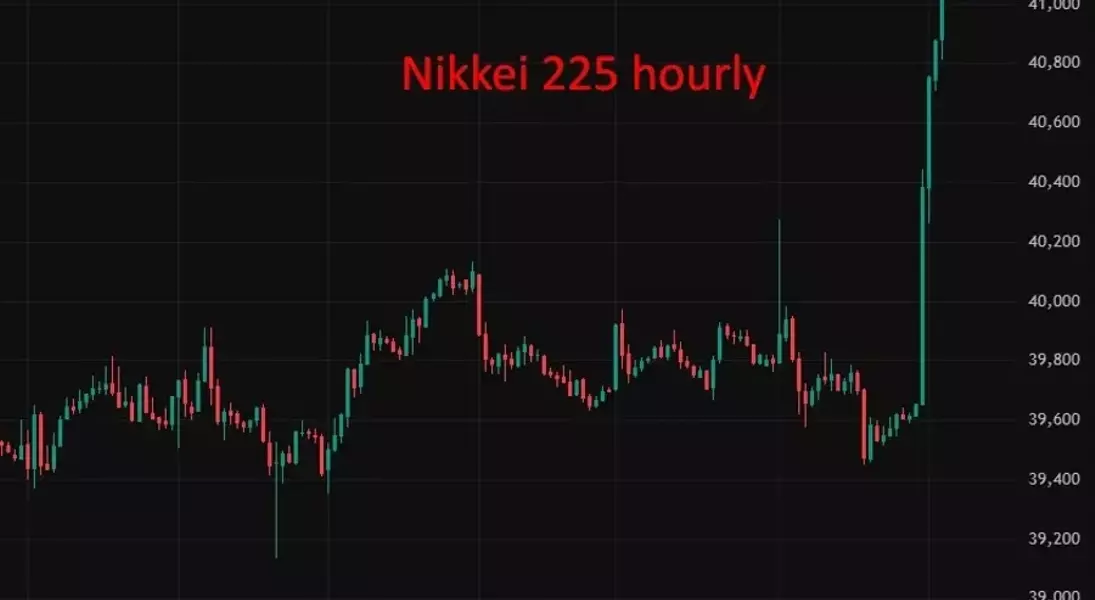
The centerpiece of market discussions revolved around the U.S.-Japan trade pact, initially greeted with skepticism, a sentiment rooted in past instances of ambiguous trade pronouncements. However, confirmation from Ryosei Akazawa, Japan's chief tariff negotiator, lent credibility to the agreement, thereby assuaging market anxieties. The specifics of this deal include a 15% reciprocal tariff rate, alongside a reduction in automotive tariffs from a proposed 25% to 15%. Conversely, existing 50% tariffs on metals such as steel and aluminum remain unchanged. While details on semiconductor and electronics tariffs are pending, Japan has affirmed its commitment against agricultural tariff reductions, though provisions for increased rice imports have been made. A notable commitment from Japan involves a substantial investment of $550 billion into the United States economy.
The immediate consequence of this trade agreement was a pronounced positive reaction in Japanese equity markets. The Nikkei 225 index registered an impressive gain of over 2.5%, reaching its highest point since July 17, 2024. This surge was predominantly propelled by the robust performance of Japanese automotive manufacturers. Conversely, their American counterparts voiced strong opposition, asserting that the deal disproportionately favors Japan by reducing tariffs on vehicles imported from Japan without extending similar benefits to Japanese-branded cars manufactured in North America. American automakers continue to contend with substantial tariffs, including 50% on steel, aluminum, and copper, alongside 25% tariffs on imports from Canada and Mexico.
In the political sphere, Japan faces an impending leadership transition. Reports from the Mainichi Shimbun indicate that Prime Minister Shigeru Ishiba is expected to resign by the end of August, a direct consequence of his coalition's recent defeat in the upper house elections. This development introduces a new element of political uncertainty into the nation's economic outlook.
Concurrently, the Bank of Japan offered a circumspect assessment of the economic climate. Deputy Governor Shinichi Uchida highlighted considerable downside risks to both growth and inflation, attributing these concerns to the “extremely high” level of global trade uncertainty. While the central bank maintains an openness to further interest rate increases, any such decisions will be contingent upon economic and price trends aligning with their internal forecasts. This cautious outlook, combined with the unfolding trade narrative, contributed to the Japanese Yen's volatile trading behavior, oscillating within a broad range of 146.20–147.20 against the U.S. dollar, ultimately showing minimal net change from the prior U.S. session’s closing levels. In the broader currency markets, major pairs mostly experienced contained movements, with the People’s Bank of China setting the USD/CNY midpoint at 7.1414, marking the strongest Renminbi fixing since early November of the previous year.