China Considers $209 Billion Stimulus Amidst Economic Headwinds
In a proactive move to fortify its economy against burgeoning challenges, China is reportedly weighing a monumental stimulus injection. This proposed financial boost, valued at an impressive $209 billion, aims to mitigate the adverse impacts stemming from international trade disputes, particularly U.S. tariffs, and address pressing domestic economic vulnerabilities. The comprehensive strategy underscores a growing recognition among policymakers of the necessity for decisive action to ensure sustained national prosperity.
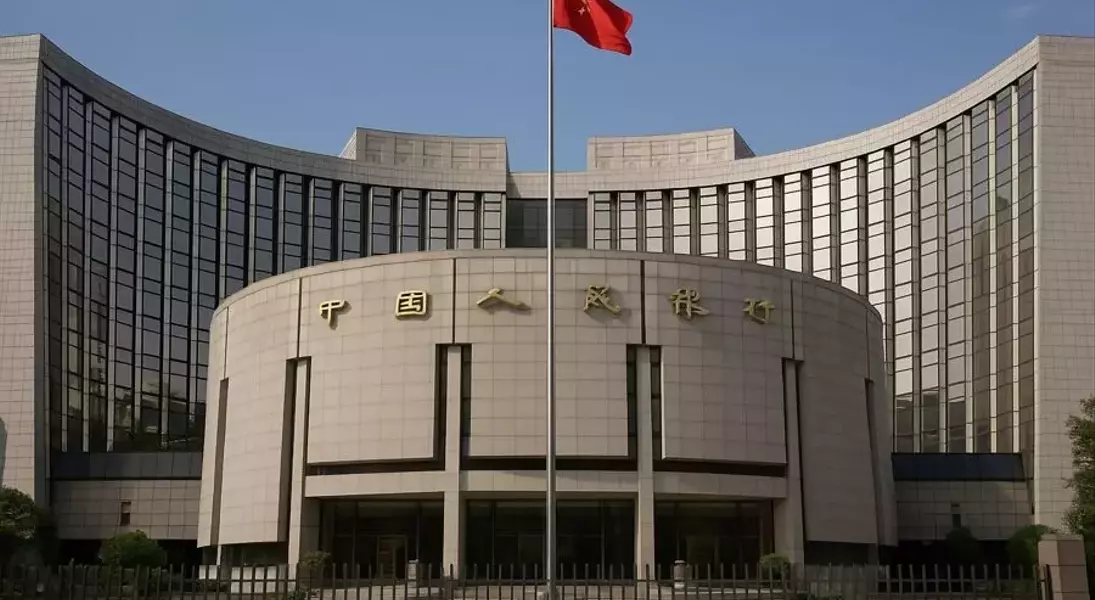
China's Economic Strategy Unveiled: A $209 Billion Response to Global Trade Pressures
On a significant Friday, July 11, 2025, a leading advisor from the People's Bank of China (PBOC), alongside an assembly of distinguished economic scholars, put forth a compelling proposal: a massive 209 billion U.S. dollar stimulus package for the nation. This strategic financial maneuver is specifically designed to bolster China's economy, which is currently navigating a complex landscape marked by intensified trade tensions with the United States. Experts highlight that the implementation of 20-30% tariffs by the U.S. has notably strained China's export capabilities, contributing to broader economic deceleration.
The current economic climate within China is characterized by several critical issues. Deflationary trends are a significant concern, eroding purchasing power and stifling investment. Furthermore, the property sector faces considerable instability, posing risks to financial markets and consumer confidence. These internal pressures, combined with the external burden of U.S. tariffs, create a challenging environment for Beijing's economic planners.
To counteract these formidable headwinds, the proposed stimulus plan outlines a multi-faceted approach. Key recommendations include a reduction in benchmark interest rates to lower borrowing costs for businesses and consumers, encouraging commercial banks to decrease their lending rates, and maintaining a flexible exchange rate for the yuan. This currency flexibility is seen as crucial for China to absorb external economic shocks and maintain its competitive edge in global trade. Additionally, the experts advocate for sweeping tax reforms, such as broadening income tax coverage and streamlining the sales tax structure, to enhance fiscal efficiency and stimulate domestic demand. A particularly acute area of concern highlighted by these advisors is the escalating volume of loans to small businesses, which now constitute over 60% of China's Gross Domestic Product. They emphasize that while often overlooked, the risks associated with these loans could potentially eclipse those posed by local government debt, necessitating careful oversight and targeted support.
Navigating the Global Economic Currents: A Lesson in Resilience and Adaptation
The recent discussions among China's top economic minds regarding a substantial stimulus package illuminate a critical lesson for all nations: in an interconnected global economy, no country is immune to external pressures, and proactive, strategic adaptation is paramount. The proposal for a $209 billion injection is not merely a financial transaction; it represents a powerful statement of intent. It reflects China's deep understanding of the intricate dance between domestic stability and international trade dynamics. For observers and policymakers worldwide, this serves as a compelling case study on how major economies confront complex challenges such as trade disputes, deflation, and sectoral weaknesses. The emphasis on interest rate adjustments, currency flexibility, and comprehensive tax reforms underscores a holistic approach to economic management. Moreover, the highlighted concern over small business loans is a poignant reminder that the health of an economy often hinges on the vitality of its foundational components. This situation prompts us to consider the broader implications of global trade policies and the imperative for governments to craft agile, responsive strategies that safeguard their national interests while fostering an environment conducive to sustainable growth and innovation.