China's Central Bank Examines Yuan's Strength Amidst Dollar Weakness
China's central bank is closely monitoring the escalating value of the yuan against the U.S. dollar, prompting an in-depth inquiry into market sentiments and potential repercussions. This heightened scrutiny arises as the dollar experiences a notable depreciation, while the yuan maintains a surprising degree of stability. The implications of these currency movements are particularly pertinent given the ongoing, delicate trade negotiations between the United States and China, suggesting that Beijing is acutely aware of how exchange rates could influence future economic agreements and stability.
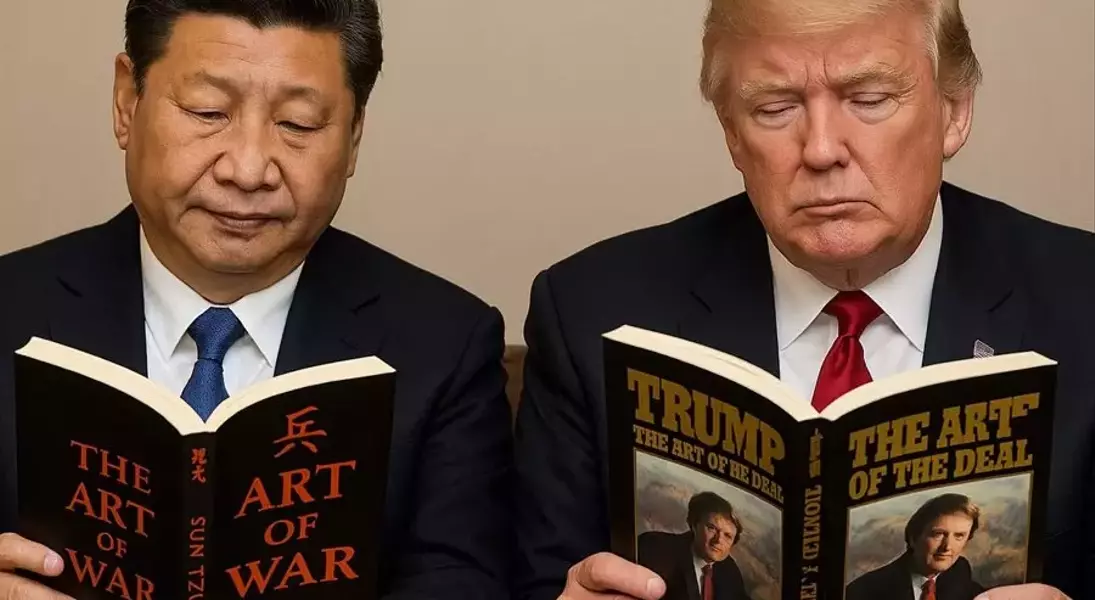
People's Bank of China Probes Currency Dynamics Amidst Geopolitical Tensions
In a significant development last week, the People's Bank of China (PBOC) initiated a comprehensive survey among financial institutions to gather insights into the recent depreciation of the U.S. dollar and its corresponding effects on the yuan's exchange rate. This proactive measure by the PBOC underscores a discernible apprehension regarding the yuan's swift appreciation against the softening dollar. Analysts suggest that this inquiry is intricately linked to the sensitive and critical trade discussions unfolding between Washington and Beijing, particularly with impending tariff deadlines on the horizon. The backdrop to this intensified focus reveals that the U.S. dollar has endured its most challenging first half of a year since 1973, plummeting by 11% year-to-date and 6.6% since early April. In stark contrast, the yuan has demonstrated remarkable resilience, ascending a modest 1.3% since the implementation of U.S. tariffs in April.
From a journalist's perspective, this situation highlights the intricate dance between economic policy and geopolitical strategy. The PBOC's discreet yet decisive action signals a deeper concern beyond mere currency fluctuations; it reflects a strategic maneuver to assess and potentially manage the economic fallout of international trade dynamics. The stability of the yuan, amidst a volatile global currency landscape and ongoing trade disputes, presents both an opportunity and a challenge for China. It prompts us to consider the broader implications for global trade balances and financial stability, emphasizing how domestic monetary policy can become a pivotal instrument in navigating complex international relations.