New Tariffs Imposed on Several Nations, Sparking Global Trade Concerns
In a significant move impacting international commerce, the United States has introduced new tariff measures affecting goods from several nations. This policy shift, characterized by varying import duties, is poised to reshape trade relationships and has already elicited a noticeable reaction in global financial markets. The announcement underscores a continuing trend of assertive trade strategies, particularly from the American administration, and raises questions about future global economic trajectories.
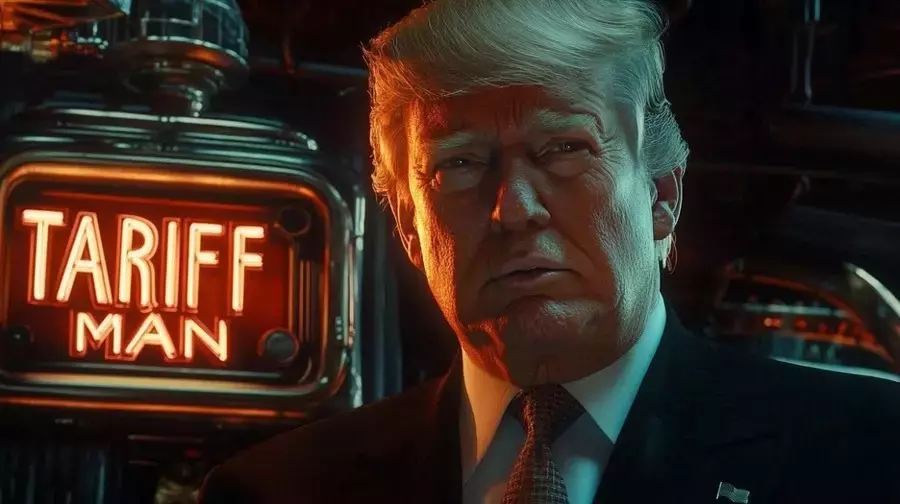
Details of the Recent Tariff Announcements and Market Reactions
On a pivotal Monday, July 7, 2025, the United States formally communicated revised tariff rates for imports originating from five distinct countries: Myanmar, Laos, South Africa, Malaysia, and Kazakhstan. These updated duties, set to take effect by August 1, 2025, demonstrate the US's ongoing commitment to a robust and, at times, protectionist trade agenda. Specifically, the newly imposed tariffs are as follows: Myanmar faces a 40% duty, Laos also sees a 40% tariff, South Africa receives a 30% tariff, Malaysia a 25% tariff, and Kazakhstan a 25% tariff. Comparing these figures to previous rates, slight adjustments were noted: Myanmar's tariff increased from 44%, Laos's from 48%, Malaysia's from 24%, and Kazakhstan's from 27%, while South Africa's 30% tariff remained consistent. These adjustments, though seemingly minor for some nations, carry substantial implications, especially for significant trading partners like Malaysia, which reported exports totaling approximately $43.4 billion in 2024. In stark contrast, Japan's exports to the US stood at around $145 billion, highlighting the relative importance of Malaysia's trade volume within this context.
The immediate fallout from these tariff announcements was evident in the financial sector. The S&P 500, a key indicator of market sentiment, experienced a notable decline, dropping by 74 points, equating to a 1.2% decrease, and reaching its lowest point in the trading session. This market response signals palpable investor apprehension regarding the potential ramifications of widening trade disputes. As this marks the second phase of such announcements, with expectations of duties on a total of approximately 12 nations, market observers are left to ponder the optimal strategy for navigating this volatile economic landscape. The prevailing question among investors is whether to await the full roster of affected countries before considering investment opportunities amidst the prevailing uncertainty.
Implications of Escalating Trade Measures: A Journalist's Perspective
As a journalist observing the unfolding dynamics of international trade, these recent tariff impositions by the United States are more than just economic adjustments; they are clear indicators of a shifting global economic paradigm. The aggressive use of tariffs, even with seemingly minor percentage changes, sends a strong signal of a nation prioritizing its domestic interests through protectionist measures. This strategy, while potentially appealing to a nationalistic audience, risks fragmenting the global economy, disrupting established supply chains, and fostering an environment of retaliatory actions. The immediate market downturn in response to these announcements is a vivid testament to the investor community's deep-seated concerns about instability and reduced global trade volumes. The question that lingers is not just about the specific percentages of these tariffs, but the broader message they convey: are we entering an era where trade is increasingly weaponized? From a global perspective, such policies could stifle innovation, raise consumer prices, and ultimately hinder the collective prosperity that interconnected economies have fostered. The current climate calls for careful diplomacy and strategic foresight from all major players to prevent a cascade of protectionist measures that could plunge the world into a prolonged period of economic uncertainty. It is imperative for nations to seek collaborative solutions that foster mutual growth rather than engaging in policies that erect barriers and cultivate distrust.