Japan-U.S. Trade Negotiations: Tariffs and Economic Security Agreements
Recent discussions between Japan and the United States have culminated in significant trade and economic security agreements, as announced by Japanese Prime Minister Ishiba. The focus of these accords is a reciprocal commitment to fostering stronger economic ties, characterized by adjustments in tariffs and a joint endeavor to bolster supply chain resilience. This collaborative approach underscores a mutual recognition of the importance of stable economic relations and strategic partnership in an evolving global landscape.
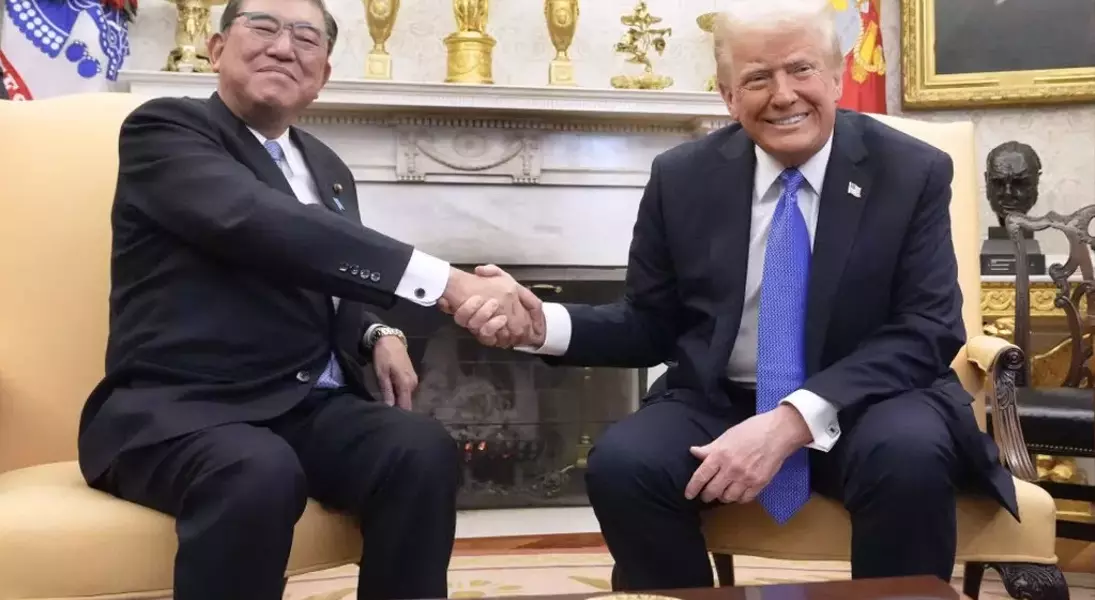
A key outcome of these deliberations is a notable agreement concerning tariffs, particularly impacting the automotive sector. Furthermore, both countries have emphasized a continuous commitment to close collaboration across various economic dimensions. This extends to a shared vision for establishing robust and secure supply chains, vital for national and economic stability. The United States' substantial financial commitment, encompassing both loans and direct investments, further illustrates the depth of this renewed partnership, even as specific agricultural tariff issues for Japan remain outside the immediate scope of these agreements, with Japan instead opting to increase rice imports from the U.S. within its current import framework.
Bilateral Trade Agreements and Tariff Adjustments
Japanese Prime Minister Ishiba recently announced a breakthrough in trade negotiations with the United States, reaching an accord on tariffs. A significant component of this agreement is the commitment to reduce auto tariffs by 15%. This move is poised to reshape trade dynamics, fostering a more balanced flow of goods between the two economic powerhouses. The overarching objective is to deepen the economic relationship and enhance stability in global trade relations.
This landmark agreement on tariffs signifies a crucial step forward in reinforcing the economic partnership between Japan and the U.S. The decision to lower automotive tariffs by 15% is particularly impactful, given the scale of the auto industry in both nations. This specific tariff reduction is expected to stimulate trade, benefit consumers, and potentially lead to increased collaboration within the automotive sector. Beyond tariffs, both leaders expressed a firm intention to maintain active and close cooperation, signaling a broader strategic alignment that transcends immediate trade concerns, paving the way for future synergistic ventures and robust economic exchanges.
Strengthening Economic Security and Supply Chains
Beyond tariff adjustments, the discussions between Japan and the U.S. also centered on forging a more robust framework for economic security and supply chain resilience. Prime Minister Ishiba highlighted a mutual understanding to work closely together in building strong, secure supply chains. This initiative aims to safeguard critical economic activities from disruptions, ensuring continuity and stability in an increasingly interconnected global economy.
The emphasis on creating resilient supply chains is a proactive measure designed to mitigate future economic vulnerabilities. This collaborative effort between Japan and the U.S. is rooted in a shared commitment to economic security, acknowledging the intricate dependencies within the global production and distribution networks. The United States' pledge of a $550 billion investment, structured as both loans and other financial contributions, underscores the seriousness of this endeavor. While direct tariff reductions on Japanese agricultural products were not part of this specific deal, Japan's decision to increase rice imports from the U.S. within its existing minimum access framework demonstrates a continued willingness to facilitate trade and support mutual economic interests through alternative avenues. This holistic approach reflects a strategic partnership focused on long-term stability and shared prosperity.