Gold ETFs Witness Significant Inflows Amid Global Economic Shifts
In the first half of 2025, gold-backed Exchange Traded Funds (ETFs) recorded their most substantial semi-annual capital influx since early 2020. This significant flow of funds into gold ETFs, totaling an impressive $38 billion, underscores a growing inclination among investors to seek out safe-haven assets. The primary catalyst for this shift appears to be heightened geopolitical instability and prevailing economic uncertainties, exacerbated by the re-emergence of tariff-driven trade conflicts. This robust demand for gold reflects a broader market sentiment of caution and a desire for stability amidst a volatile global financial landscape, marking a notable recovery after several years of more subdued activity.
The latest data from the World Gold Council (WGC) reveals that global holdings in gold ETFs surged by 397.1 metric tons during the first six months of 2025. By the close of June, total worldwide holdings had reached an impressive 3,615.9 metric tons, marking the highest level observed since August 2022. While these figures represent a strong resurgence, they still fall short of the all-time peak of 3,915 metric tons recorded in October 2020. A significant portion of this growth was attributed to U.S.-listed ETFs, which alone accounted for an addition of 206.8 metric tons to their portfolios. Furthermore, Asia-listed funds demonstrated exceptional performance, attracting record levels of investment that contributed 28% to the global net inflows, despite their overall assets under management (AUM) representing only 9% of the global total. This regional disparity highlights a concentrated interest in gold within Asian markets, possibly signaling localized responses to economic conditions or investment strategies.
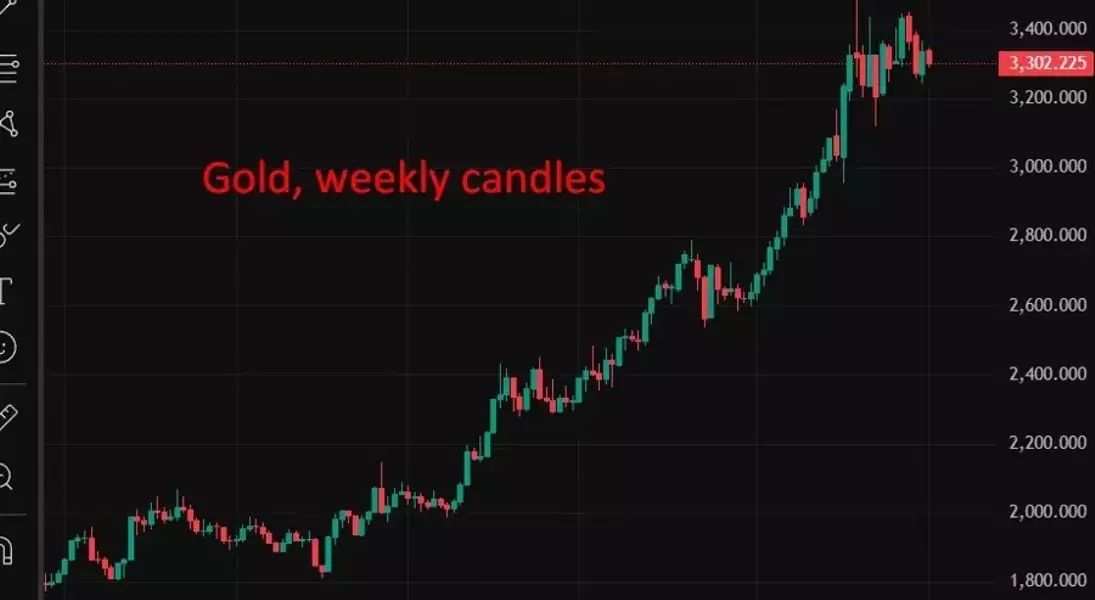
This substantial uptick in gold ETF inflows signifies a robust resurgence for the precious metal, especially when considering the context of previous years. Following modest inflows throughout 2024 and three preceding years characterized by outflows—largely influenced by rising interest rates—the current trend represents a significant shift. The appeal of gold as an investment has clearly been reasserted, with spot gold prices climbing by an impressive 26% year-to-date. This upward trajectory culminated in a record-breaking price of $3,500 per ounce in April, further cementing gold's position as a desirable asset in uncertain economic climates.
The World Gold Council (WGC) plays a crucial role in promoting the gold industry globally. While often perceived as a neutral source of market intelligence, it is fundamentally an advocacy organization backed by major gold mining companies. Its core mission involves stimulating demand for gold across various sectors, including investment, jewelry, and central bank acquisitions, and it actively works to enhance market accessibility and foster innovation within the industry. The WGC frequently disseminates influential reports that analyze gold supply and demand dynamics, investment patterns—like ETF activity—and central bank gold purchases. These publications are widely referenced by financial analysts, investors, and policymakers, significantly influencing public and institutional perceptions of gold's value and strategic importance. Consequently, while the data provided by the WGC is generally regarded as reliable and useful, it is important to remember that its insights are inherently aligned with the interests of its gold-producing members, seeking to maintain and bolster a positive outlook for gold as a critical financial asset.