PBOC Sets Yuan Midpoint Lower Than Expected, Influencing USD/CNY Exchange Rate
China's central bank, the People's Bank of China (PBOC), has announced its daily reference rate for the yuan against the US dollar, setting it at a level more robust than anticipated by market analysts. This pivotal decision, alongside the PBOC's open market operations, underscores the central bank's ongoing efforts to manage the nation's currency stability and influence domestic liquidity conditions. The strategic adjustment in the midpoint rate and the calculated injection and withdrawal of funds highlight the PBOC's nuanced approach to economic governance within its managed floating exchange rate system.
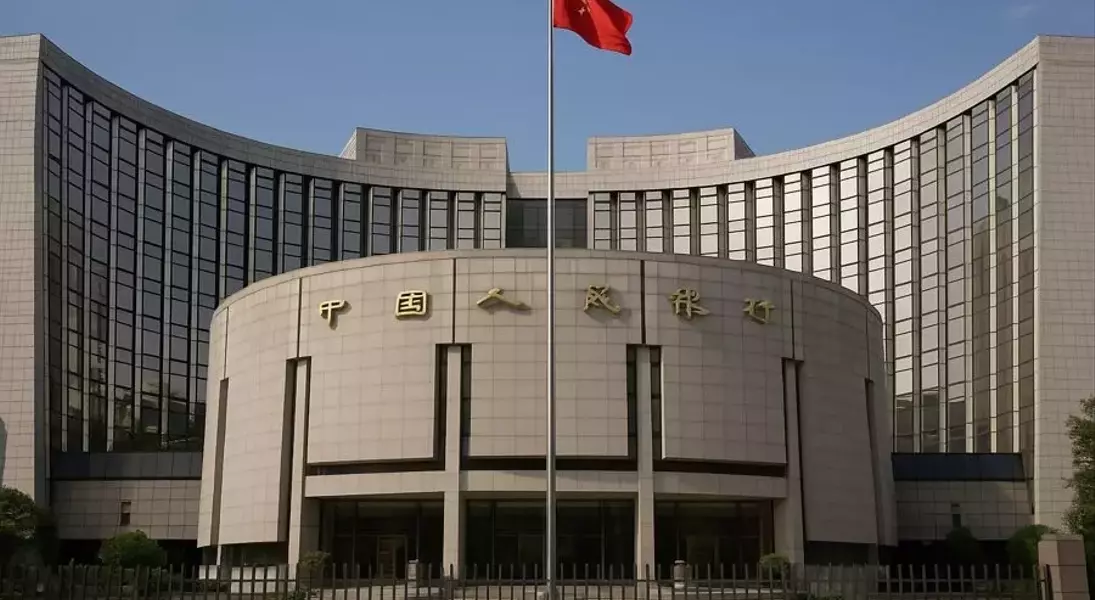
PBOC's Strategic Currency Adjustment and Liquidity Management
In a significant financial move on Wednesday, July 9, 2025, at 01:15 GMT, the People's Bank of China (PBOC), headquartered in Beijing, announced its daily central parity rate for the Chinese yuan (CNY) against the US dollar. The rate was set at 7.1541, a figure considerably lower than the market's consensus estimate of 7.1806. This decision reflects a deliberate strengthening of the yuan's official reference point, impacting its permissible trading range, which is set at ±2% around this central rate.
Alongside the currency peg, the PBOC also engaged in substantial liquidity operations within the interbank market. The central bank injected a considerable 75.5 billion yuan into the financial system through 7-day reverse repurchase agreements, carrying an interest rate of 1.40%. Concurrently, an equivalent of 98.5 billion yuan matured, resulting in a net withdrawal of 23 billion yuan from the banking system. These coordinated actions demonstrate the PBOC's active role in guiding monetary policy, aiming to stabilize the yuan's value and fine-tune market liquidity to foster a balanced economic environment.
This latest announcement from the PBOC serves as a crucial indicator for global financial markets, signaling the central bank's stance on currency valuation and liquidity management. The divergence between the official midpoint and market expectations suggests a proactive approach by Chinese authorities to maintain control over economic variables. For investors and policymakers worldwide, these actions offer valuable insights into China's financial stability objectives and its strategic responses to evolving domestic and international economic pressures.