PBOC's Influence on USD/CNY Exchange Rate and Trading Dynamics
The People's Bank of China (PBOC) plays a pivotal role in managing the nation's currency, the yuan (RMB), particularly its exchange rate against the US dollar. Operating under a carefully orchestrated managed floating exchange rate system, the PBOC establishes a daily midpoint, serving as the central anchor for the yuan's trading value. This strategic approach enables the currency to move within a predetermined band, currently set at a crucial +/- 2%, allowing for a delicate balance between market forces and regulatory control. The central bank's actions, including potential interventions, are designed to ensure currency stability while accommodating necessary fluctuations driven by global economic shifts and domestic policy objectives.
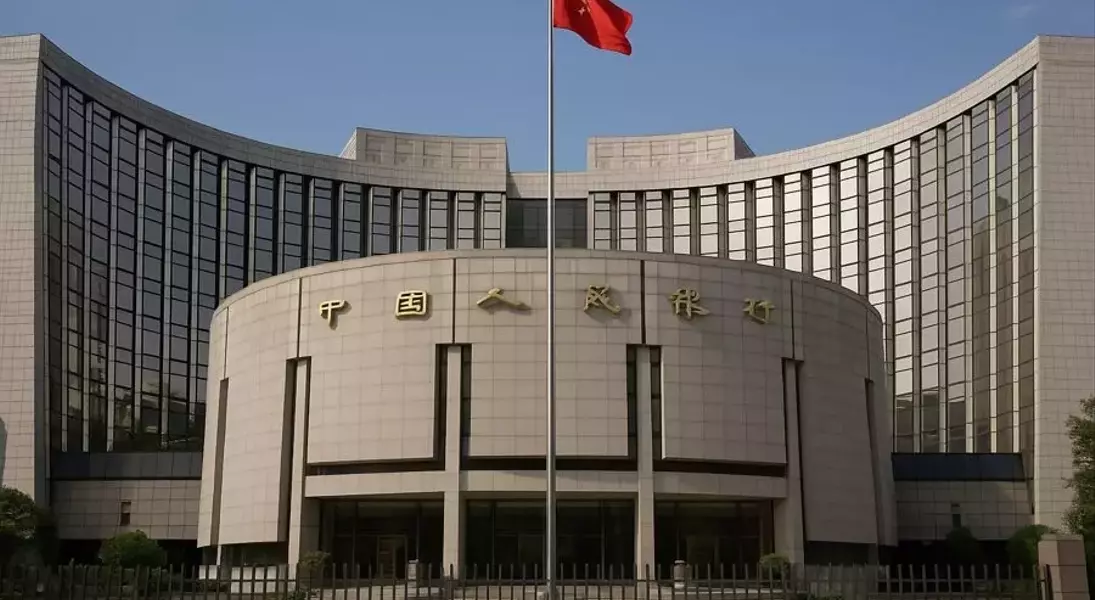
Understanding the PBOC's meticulous process for setting and maintaining the yuan's exchange rate is essential for anyone engaged in international finance and trade. This system, which blends market responsiveness with central bank oversight, highlights China's unique approach to currency management. The PBOC's commitment to a stable yet adaptable yuan underscores its dedication to fostering economic resilience and facilitating balanced international trade relations, all while carefully navigating the complexities of global financial markets.
Understanding China's Yuan Exchange Rate Mechanism
The People's Bank of China (PBOC) exercises considerable influence over the valuation of its currency, the yuan, also referred to as the renminbi (RMB), especially in relation to the US dollar. This influence is exerted through a sophisticated managed floating exchange rate system. Each morning, the PBOC determines a daily midpoint for the yuan against a basket of international currencies, predominantly the US dollar. This central reference point is not arbitrary; it considers various critical elements, including the prevailing market supply and demand dynamics, key economic indicators, and the broader fluctuations observed in the global currency markets. The daily midpoint acts as a foundational benchmark for the day's trading activities, guiding the yuan's permissible range of movement.
A defining characteristic of this system is the specified trading band, which currently allows the yuan to appreciate or depreciate by up to 2% from the established midpoint within a single trading day. This band is a flexible policy instrument, subject to modifications by the PBOC based on evolving economic conditions and strategic policy objectives. Furthermore, the PBOC maintains the authority to intervene in the foreign exchange market. Such interventions, involving the buying or selling of yuan, are typically deployed when the currency's value approaches the upper or lower limits of its trading band or when it experiences excessive volatility. This proactive intervention strategy is crucial for stabilizing the yuan's value and ensuring a controlled and orderly adjustment, thereby mitigating potential disruptions to economic stability.
The PBOC's Role in Maintaining Currency Stability
The People's Bank of China (PBOC) employs a multifaceted strategy to ensure the stability and controlled fluctuation of the yuan, a cornerstone of its monetary policy framework. At the heart of this strategy is the daily establishment of a reference rate, which serves as a crucial anchor for the yuan's value against major currencies, particularly the US dollar. This process involves a careful analysis of diverse factors, including global market trends, domestic economic performance, and the intricate balance of supply and demand for the yuan. The reference rate is not merely a number; it is a calculated decision that reflects the PBOC's assessment of the optimal valuation to support China's economic objectives and maintain financial equilibrium. The existence of a trading band, allowing for a 2% deviation around this midpoint, provides a degree of flexibility, enabling the yuan to respond to market dynamics while still operating within a defined and manageable range.
Beyond setting the daily reference rate, the PBOC actively monitors currency movements and is prepared to intervene when necessary. This intervention capability is a critical tool in preventing undue volatility or speculative attacks that could destabilize the yuan. By strategically buying or selling currency, the central bank can steer the yuan back towards its desired trajectory, ensuring that any appreciation or depreciation occurs in a gradual and controlled manner. This hands-on approach underscores the PBOC's commitment to a stable currency environment, which is vital for fostering investor confidence, facilitating international trade, and safeguarding the overall health of China's economy. The interplay between daily midpoint setting, the flexible trading band, and the readiness to intervene collectively forms a robust mechanism through which the PBOC manages the yuan, balancing market forces with strategic policy objectives.